
Berkeley, California
Tree Removal and Tree Service in Berkeley
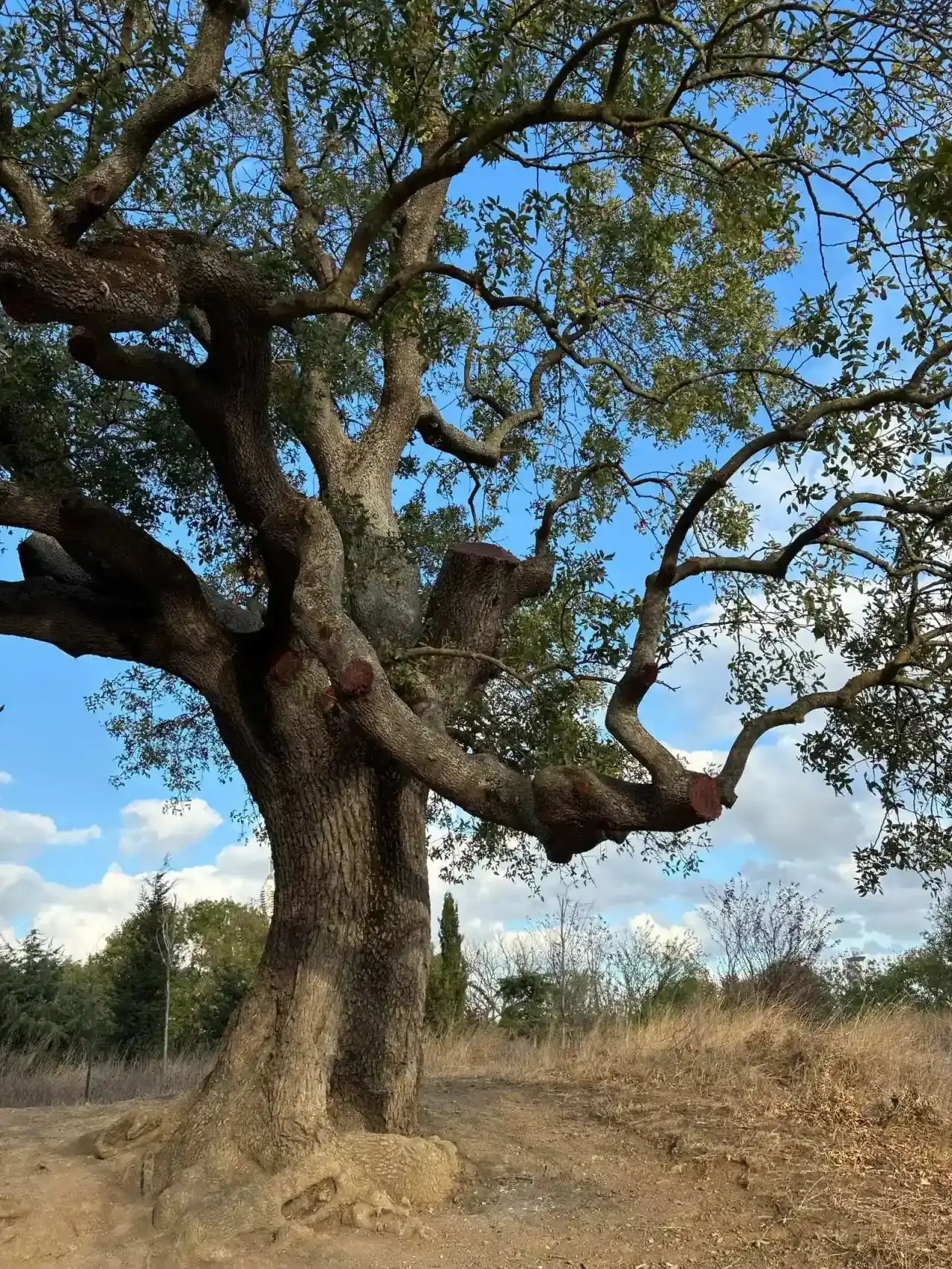
Berkeley regulates one private tree above all others: the coast live oak. A single-trunk oak 18 inches or more around at four feet, about the thickness of a man's thigh, cannot be removed without city approval, and pruning more than a quarter of it in two years is restricted too. Most other private trees need no permit.
- County
- Alameda
- Tree rules
- Berkeley Municipal Code Chapter 6.52, Coast Live Oak Trees
- Key local rule
- Removal moratorium on coast live oaks 18 inches in circumference or more, or 26 inches combined for multi-trunk oaks
- Electric utility
- PG&E
- Main hazards
- Wildfire in the hills, sudden oak death, winter windstorms, slopes
Do I need a permit to remove a tree in Berkeley?
Only for a coast live oak of protected size, or for a city tree. The Berkeley code declares a moratorium on removing any single-stem coast live oak with a circumference of 18 inches or more, or a multi-stem oak whose stems add up to 26 inches or more, measured four feet above the ground. Other trees on private property can be removed without a city permit.
- Coast live oak
- Protected at 18 inches around, roughly 6 inches in diameter. That is a young tree.
- Other private trees
- No city permit, though hills properties face fire clearance rules.
- Street and park trees
- Managed by the city's Urban Forestry Unit. Call 311.
What the oak ordinance allows
The moratorium has narrow exceptions. The City Manager or a designee may approve removal if the tree is a danger to life, limb or property because of its condition and removal is the only reasonable answer. A separate exception covers trees that would substantially interfere with a project in which at least half the units are affordable housing, with a replacement oak required.
The ordinance also limits pruning. Removing more than one quarter of a protected oak's functioning leaf, stem or root system in any 24-month period counts as excessive and injurious pruning. The city's guidance is that zoning approval comes first, before Forestry is contacted about a removal.
Oak trouble signs in the East Bay hills
Bleeding cankers on the trunk
Dark red-brown sap on coast live oaks is a classic sign of sudden oak death.
Sudden browning of the whole crown
Late infection or a root disease. Wood in these oaks decays quickly afterward.
Fine sawdust in bark cracks
Ambrosia and bark beetles move into oaks weakened by disease.
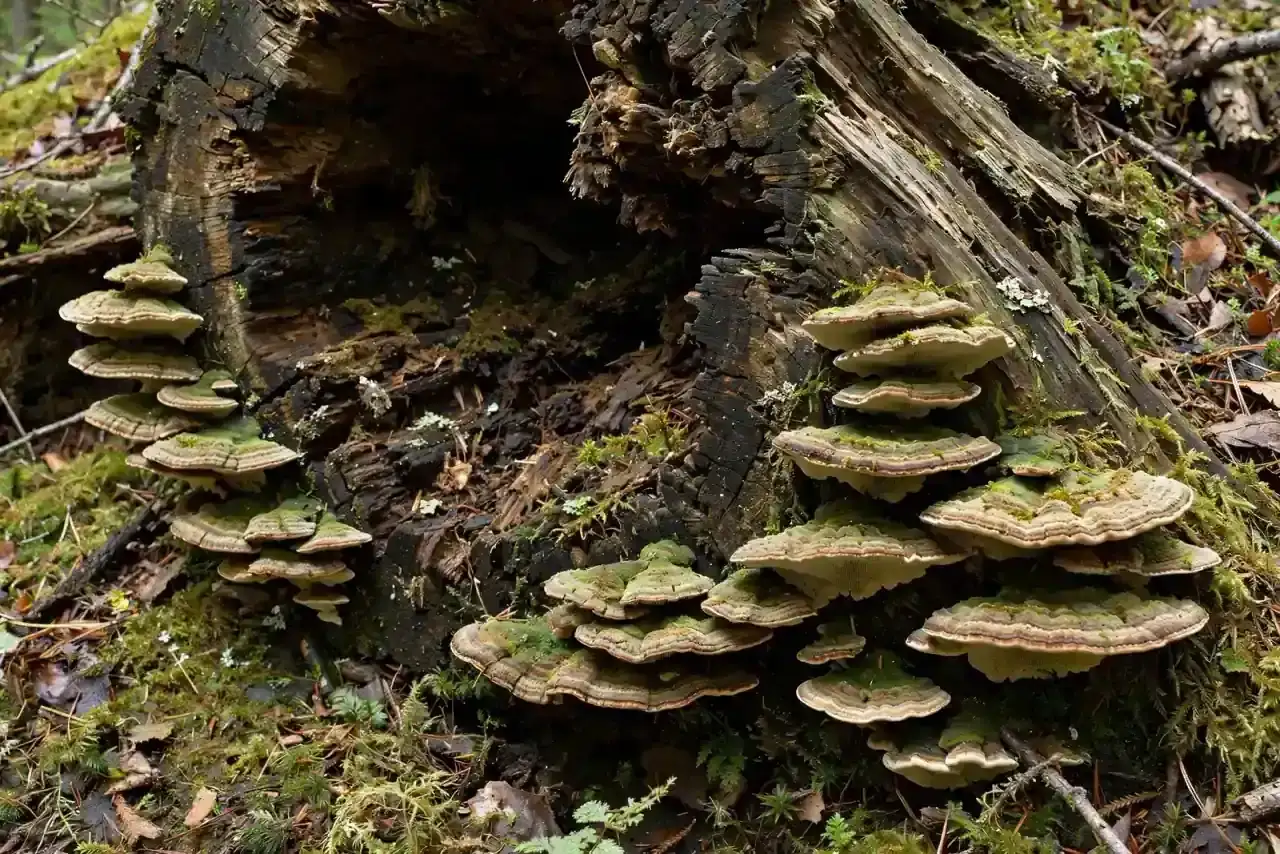
Mushrooms at the root flare
Oak root fungus is common where lawns are watered under native oaks.
Soil cracking on a slope
Hillside oaks can tip as wet winter soil moves.
Coast live oak or something else?
Coast live oak
- Evergreen, with small cupped leaves edged in spines
- Leaves have tufts of hair on the underside where veins meet
- Protected at 18 inches around
- Wide, spreading crown
Common lookalikes
- Holly oak, a non-native, with flatter leaves gray underneath
- Interior live oak, rarer in the flats
- Toyon and other shrubs with leathery leaves
- Not covered by the oak moratorium
If you are unsure, assume the oak is a coast live oak until an arborist says otherwise. Mistakes are hard to undo.
Fire zones in the Berkeley Hills
The 1991 Oakland Hills firestorm burned into the southeastern edge of Berkeley, and the 1923 Berkeley fire destroyed hundreds of homes north of the campus. Both were driven by dry northeast winds pushing fire downslope into neighborhoods.
The Berkeley Fire Department inspects hills properties in its fire zones, asking owners to limb trees up, clear dead material and keep branches away from roofs and chimneys. That clearance work applies to oaks too, within the quarter-in-two-years pruning limit.
Eucalyptus and Monterey pine, common on the upper slopes, are not protected by the oak ordinance. Thinning or removing them is usually a fire safety job. See defensible space tree clearing.
How the work differs across Berkeley
- Berkeley Hills and Panoramic Hill
- Steep lots, narrow roads and fire clearance. Crane work is often limited to the street above or below.
- North Berkeley and Elmwood
- Old garden trees, mature oaks and redwoods beside houses with tight side yards.
- Flatlands
- Smaller lots, street trees in planting strips, fruit trees and backyard volunteers.
- Near the campus
- Apartment properties and creek corridors with additional review.
Berkeley tree questions
How big is an 18-inch circumference oak?
About 6 inches in diameter. Many coast live oaks reach that size within 10 to 15 years.
Can I prune a protected coast live oak?
Yes, as long as you stay well under a quarter of the tree's leaf, stem and root system in any two-year period. Hire an arborist who knows the rule.
Does Berkeley regulate redwoods or eucalyptus on private land?
The private tree ordinance covers coast live oaks. Other species are not protected by it, though creek and hillside development can trigger review.
Who handles the tree in the planting strip?
The City of Berkeley's Urban Forestry Unit. Request work through 311.
East Bay and California pages
- OaklandNext door, where most trees over 9 inches are protected.
- San FranciscoAcross the bay, with significant and landmark trees.
- California tree serviceState licensing, drought and fire rules.
- Oak tree removalHow heavy oak wood is handled and when removal is right.
- Defensible Space Tree Clearing in Los AngelesThinning and spacing trees near homes under Los Angeles brush-clearance rules, a close match for the East Bay hills.
- Los GatosProtected trees from 12 inches on home lots.
Reach a tree service in Berkeley
Call to be connected with an independent tree company that works in the Berkeley area, or leave your number and one will call you back.
(844) 955-1716Call availability varies by area and time of day
Limbwright is a referral service. Your call goes to an independent tree service company that sets its own schedule and terms. Ask for proof of insurance and a written scope before work starts. How this works
Call now
Talk to a tree service provider in your area. Have the tree's location and what it is near ready.
(844) 955-1716Call nowCall availability varies by area and time of day