
Clearing
Land and Lot Clearing
Lot clearing takes trees, brush and stumps off an area of land in one job, usually ahead of building, fencing or pasture. It uses different machines from residential tree work and comes with paperwork that a single-tree removal rarely does.
Call availability varies by area and time of day. Calls are answered by an independent tree service provider.
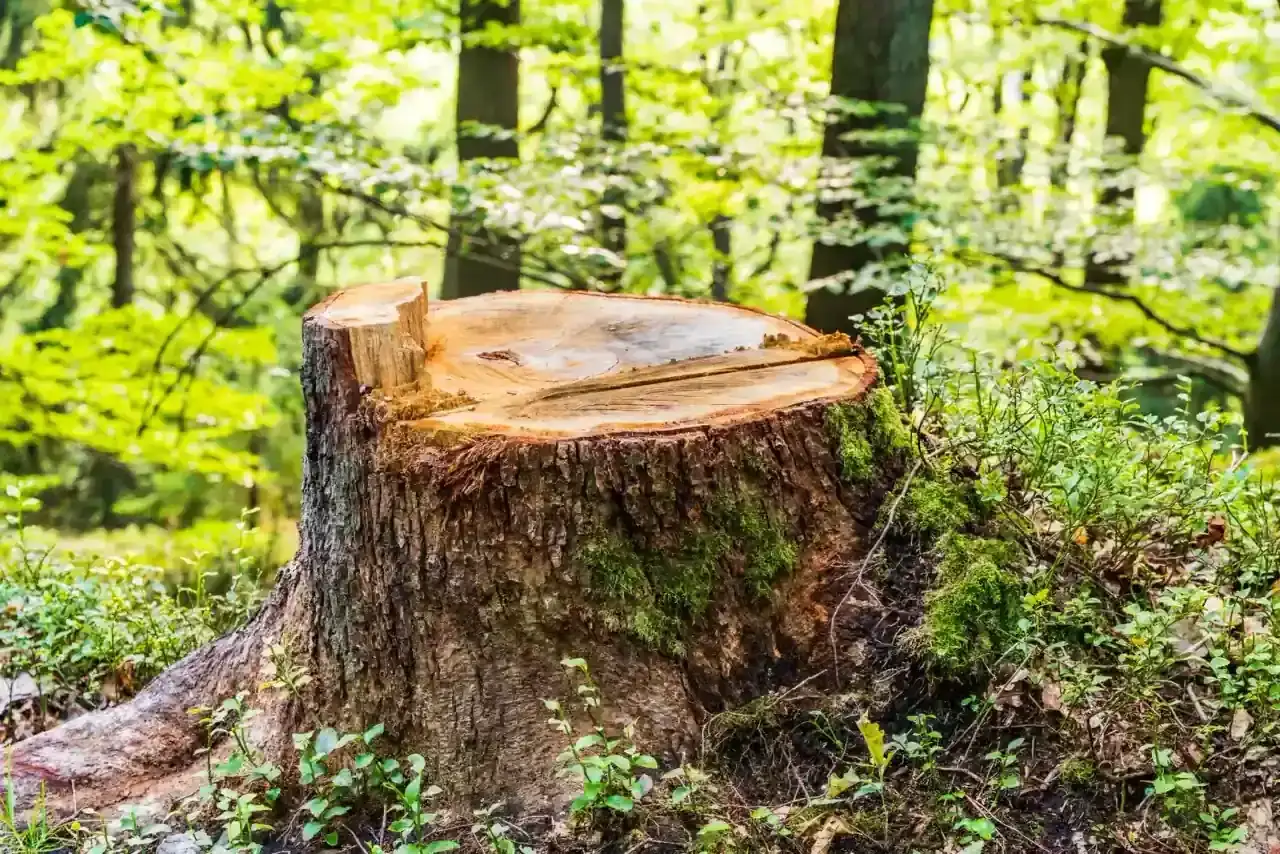
What does lot clearing include?
Cutting trees, removing or mulching brush, pulling or grinding stumps and leaving the ground ready for the next step. The scope depends on what comes after: a house pad needs stumps and roots out, while a pasture or trail may only need trees down and brush mulched.
- Selective clearing
- Only marked trees and undergrowth come out. Good trees are kept for shade and value.
- Full clearing
- Everything comes off, including stumps and roots, down to bare soil.
- Forestry mulching
- A machine grinds standing brush and small trees into a mulch layer that stays on site.
Permits and federal rules that apply
Many counties and cities require a land disturbance, grading or tree permit before clearing, and some protect specific trees by size. Check with the local planning or building department first.
Under the federal Clean Water Act, construction that disturbs one acre or more, or is part of a larger plan that will, generally needs stormwater permit coverage and an erosion control plan. States run most of these programs.
The Migratory Bird Treaty Act protects active nests of native birds, and some areas have rules for endangered bats that roost in trees. Clearing outside the spring and summer nesting season avoids most conflicts.
Wetlands and stream buffers can need separate approval before any vegetation is removed.
How a clearing job is run
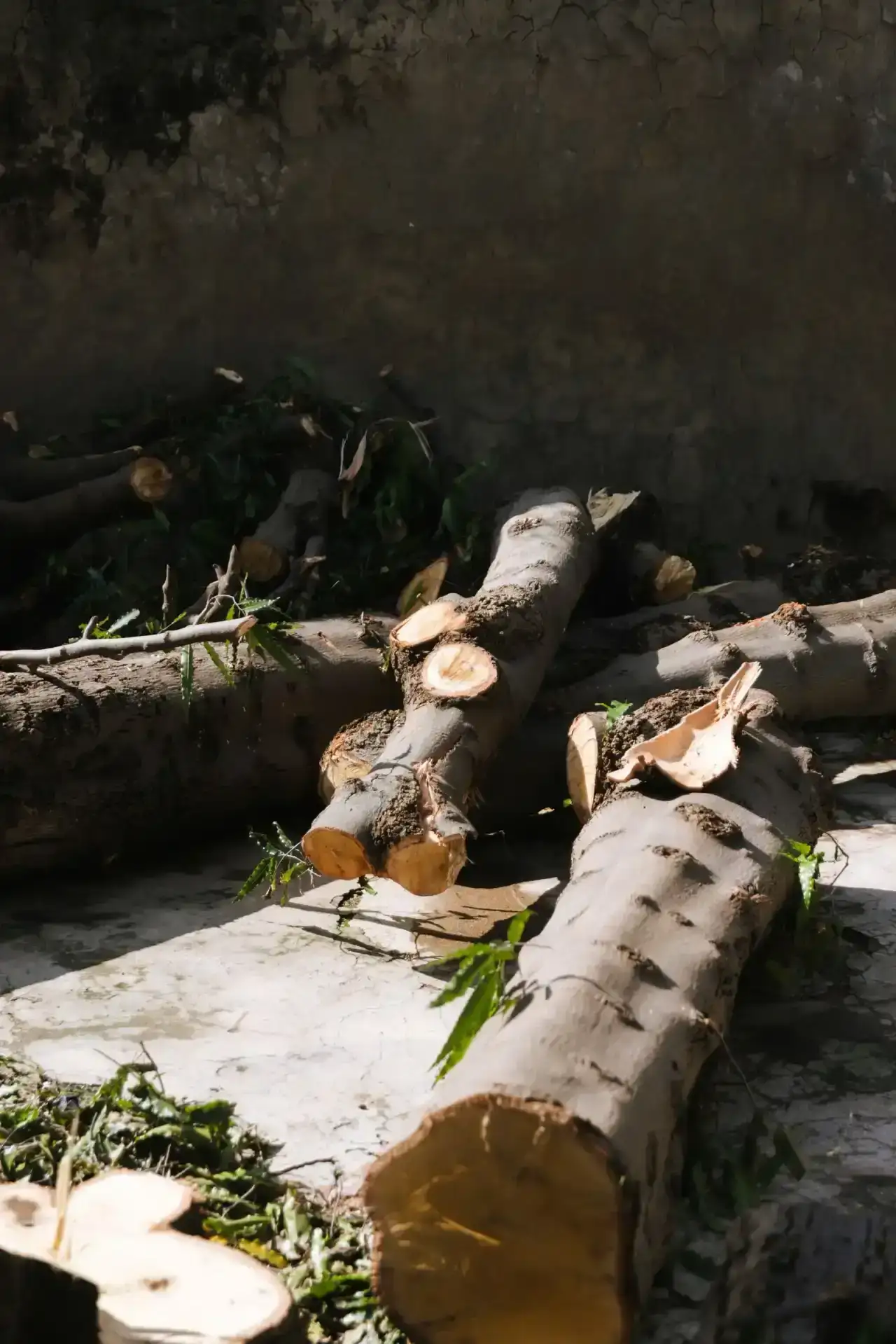
Walk the property
Boundaries, keeper trees, wet areas, slopes and the access route for machines are marked.
Silt fence and access
Erosion controls go in before soil is disturbed, along with a stable entrance for trucks.
Fell and process trees
Merchantable logs are separated, and the rest is chipped or mulched.
Brush and stumps
A mulcher, excavator or stump grinder handles them according to the plan for the ground.
Final grade
The surface is left smooth, seeded or mulched to hold the soil.
Machines and what they leave behind
| Machine | What it does | Ground after |
|---|---|---|
| Forestry mulcher | Grinds brush and trees to roughly 6 to 8 inches in diameter where they stand | A mulch layer with stumps ground near the surface |
| Excavator with thumb | Pulls trees and stumps from the ground with roots | Disturbed soil and holes that need filling |
| Skid steer with grapple | Moves logs, brush and debris | Wheel or track marks across the site |
| Feller buncher | Cuts and gathers trees on large tracts | Stumps left standing for later work |
| Tub grinder | Turns piles of brush and stumps into mulch | A mulch pile to spread or haul |
Forestry mulching or full clearing
Forestry mulching
- One machine, few trips across the ground
- Topsoil stays in place under mulch
- Good for trails, fence lines, pasture and wildfire thinning
- Roots stay in the soil
Full clearing and grubbing
- Several machines and more disturbance
- Stumps and roots removed
- Needed under foundations, driveways and septic fields
- Erosion control matters more
Mulching is often the right first step on overgrown land. Grub only the footprint that will be built on.
Deciding which trees to keep
- Species and age
- Sound oaks, hickories and beech are worth keeping. Pines that have grown up crowded tend to topple once neighbors are removed.
- Distance from the house
- Trees closer than the root zone of the new foundation rarely survive construction.
- Edge trees
- Trees that grew inside a stand are suddenly exposed to wind when cleared around. Thin gradually where possible.
- Drainage
- Trees on slopes hold soil. Clearing them can create runoff problems downhill.
- Protection during building
- Keepers need fencing at their root zone. See construction tree protection.
Signs a lot needs clearing work
A buyer or builder needs a building envelope
Lenders and builders often need the pad and drive cleared before work begins.
Invasive brush has taken over
Privet, honeysuckle and multiflora rose can choke an untended lot within a few years.
Fire risk around a structure
In wildfire areas, see defensible space tree clearing instead of full clearing.
Dead trees after a beetle outbreak
Large numbers of dead pines become a falling and fire hazard.
Land clearing questions
Can I burn the brush from clearing?
Only where local and state rules allow it, often with a burn permit and only in certain seasons. Many urban and suburban areas ban open burning.
Can I sell the timber from my lot?
If there is enough merchantable timber, a forester or logger may buy it. A state forestry agency can explain how to find a consulting forester.
When is the best time of year to clear land?
Late fall and winter, when birds are not nesting, ground is often firmer and deciduous trees are bare, making it easier to see what is there.
Do I need to remove all the stumps?
Only where something will be built or the ground mowed. Elsewhere, stumps can be cut low or ground and left to decay.
What about clearing only the undergrowth?
See brush and underbrush clearing. For single small trees, see small tree removal.
Talk to a land and lot clearing provider
Call to be connected with an independent tree service company near you.
(844) 955-1716Call availability varies by area and time of day
Limbwright is a referral service. Your call goes to an independent tree service company that sets its own schedule and terms. Ask for proof of insurance and a written scope before work starts. How this works
Call now
Talk to a tree service provider in your area. Have the tree's location and what it is near ready.
(844) 955-1716Call nowCall availability varies by area and time of day