
Stumps
Stump Grinding
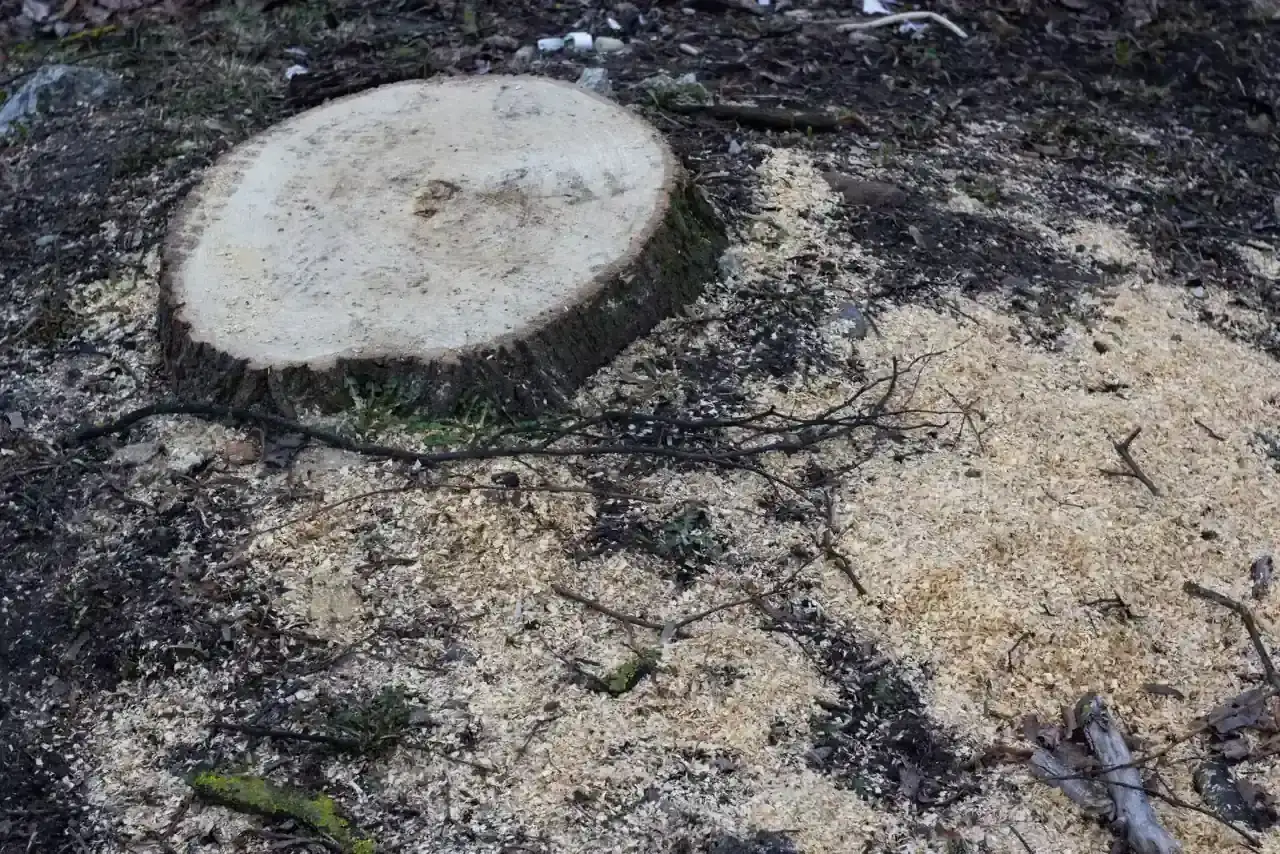
Stump grinding uses a rotating cutter wheel to chip a stump down to roughly 4 to 12 inches below the soil surface. The roots stay in the ground and rot over several years. It is the faster and less disruptive way to get lawn back where a tree stood.
Call availability varies by area and time of day. Calls are answered by an independent tree service provider.
How deep does stump grinding go?
A standard grind goes about 4 to 8 inches below grade, enough for soil and grass. Deeper grinding, 12 inches or more, is available on request for replanting or light construction and takes longer.
- Lawn
- Four to six inches gives sod or seed enough soil over the remaining wood.
- Planting bed or new tree nearby
- Ask for 10 to 12 inches and removal of the chips, and plant a few feet off the old center.
- Patio, slab or footing
- Grinding is not enough. Buried wood rots and the surface settles. That calls for full stump removal.
What happens during a grind
One average stump takes 30 minutes to an hour once the machine is in place.
Utility locate
Call 811 a few business days ahead so public gas, electric, water and telecom lines are marked. Private lines such as irrigation and landscape lighting are yours to point out.
Clear and cut low
Rocks are pulled from around the base because they wreck cutter teeth. A tall stump is cut flush first.
Grind in passes
The wheel sweeps side to side, dropping an inch or two per pass and working across the stump and its flare.
Chase surface roots
Large roots running across the lawn can be traced and ground if the written scope includes them.
Rake back or haul
Chips are raked into the hole, left as a mound for mulch, or hauled off if you ask for it.
How stump diameter changes the job
Companies size a stump by its diameter at ground level, measured across the widest point including the root flare. That number, more than the height of the stump, decides the machine and the time.
| Stump diameter | Typical machine | What to expect |
|---|---|---|
| 12 inches | Compact walk-behind or small self-propelled grinder | A short job, often done alongside other stumps on the same visit |
| 24 inches | Self-propelled grinder | A routine grind with a wheelbarrow or two of chips |
| 36 inches | Self-propelled or tracked grinder | A longer grind and a sizable chip pile to rake back or haul |
| 48 inches | Tracked or tow-behind grinder | Wide root flare to chase, and hardwoods grind slowly |
Measure before you call and mention the narrowest gate, so the right machine is sent the first time.
Grinding or full removal?
Stump grinding
- Removes the visible stump to a few inches below grade
- Roots stay and decay over five to ten years
- Small footprint, with turf damage limited to the machine's path
- Done in under an hour per stump
- Right for lawn, mulch beds and general cleanup
Full stump removal
- Digs out the stump and the main root mass
- Leaves a large hole that must be filled and compacted
- Needs an excavator or backhoe and room to work
- Takes hours and needs heavy equipment
- Right for foundations, paving and replanting in the same spot
Most residential stumps are grinding jobs. Choose excavation only when something will be built on the spot.
After the grinder leaves
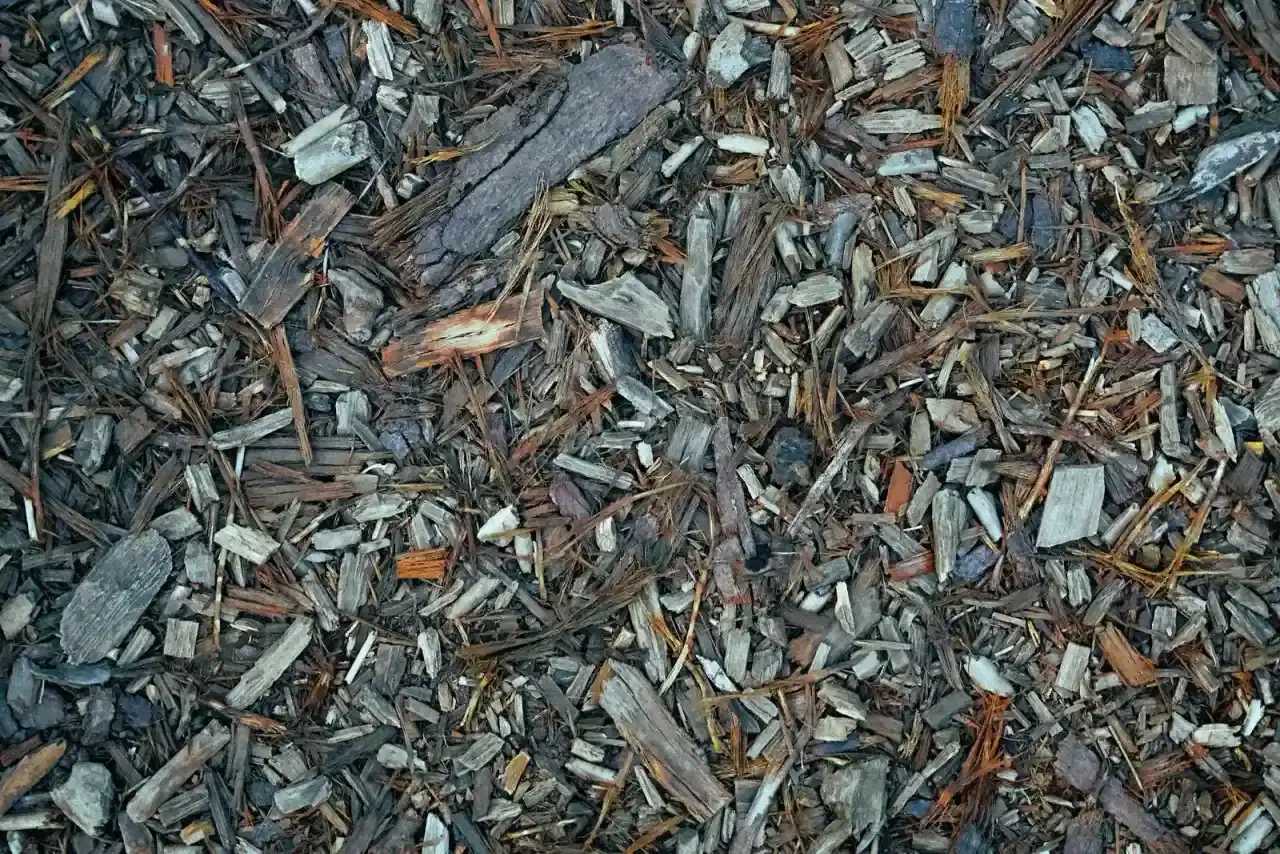
You will have more chips than expected. Ground wood fluffs up to several times the stump's volume, and a 30-inch stump produces a pile a couple of feet high. The chips make good mulch for paths and beds once they have aged a few months.
If the plan is grass, do not simply spread soil over chips. Decomposing wood ties up nitrogen and the patch sinks as it breaks down. Rake out most of the chips, fill with topsoil mounded slightly above grade, and seed or sod. Expect to top it up once.
Mushrooms often appear along the old root lines for a few years. They are feeding on dead roots and are harmless to the lawn.
Reasons not to leave the stump
Sprouting
Many species send up shoots from the stump and roots for years.
Pests
Decaying stumps attract carpenter ants, and subterranean termites in the South. A stump near the house is the main concern, especially in places such as New Orleans.
Trip and mower hazard
Low stumps hide in grass and catch blades and ankles.
Lost space
A stump and its flare take a six- to ten-foot circle out of the lawn.
Resale
A row of stumps reads as unfinished work to buyers and inspectors.
How different species behave as stumps
Species affects both grinding time and what comes back.
- Sweetgum, Bradford pear, crape myrtle
- Vigorous resprouters. Grind deep and expect to mow off suckers for a season.
- Willow, poplar, cottonwood
- Soft wood that grinds fast, with roots that sprout far from the stump.
- Tree of heaven and black locust
- Sucker aggressively from the roots when cut, so grinding alone seldom ends them.
- Oak, hickory, pecan
- Dense wood that takes longer to grind. Oaks sprout little once mature.
- Pine and most conifers
- Do not resprout. Resinous stumps and taproots decay slowly if left.
- Palms
- A fibrous root ball instead of woody roots. It grinds easily and does not regrow.
Stump grinding questions
Can I plant a new tree where the stump was ground?
Not in the exact spot. The soil there is mostly wood chips with old roots below. Plant at least three to five feet to the side, or have the stump fully excavated if the location is fixed.
Will grinding kill the roots?
Grinding removes the stump, and in most species the roots then die and decay. Species that sucker from roots, such as sweetgum and poplar, can keep sprouting for a year or two.
Can a grinder fit through my backyard gate?
Usually. Compact self-propelled grinders fit through a 36-inch gate. Tell the company your narrowest opening when you call so the right machine comes.
Is stump grinding included in tree removal?
Not unless the written scope says so. Tree removal normally ends with the stump cut low. Grinding is a separate task, and it is simplest to arrange on the same job.
Talk to a stump grinding provider
Call to be connected with an independent tree service company near you.
(844) 955-1716Call availability varies by area and time of day
Limbwright is a referral service. Your call goes to an independent tree service company that sets its own schedule and terms. Ask for proof of insurance and a written scope before work starts. How this works
Call now
Talk to a tree service provider in your area. Have the tree's location and what it is near ready.
(844) 955-1716Call nowCall availability varies by area and time of day