Clearing · Brush
Brush and Underbrush Clearing
Underbrush clearing removes the shrubs, vines and small trees growing beneath larger ones, and leaves the canopy standing. It opens a wooded lot, cuts down on ticks and fire fuel, and frees mature trees from vines climbing into their crowns.
Call availability varies by area and time of day. Calls are answered by an independent tree service provider.
What does brush clearing remove?
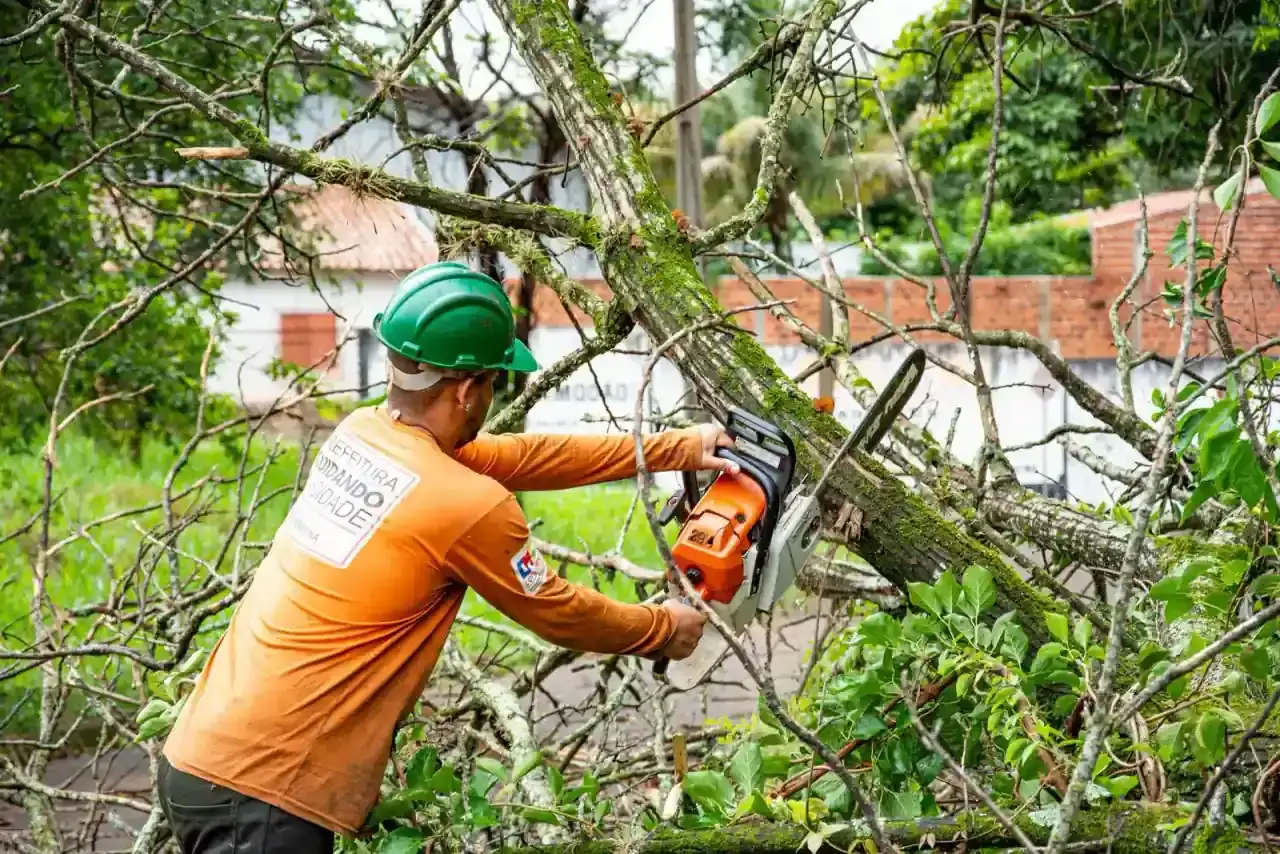
Shrubs, vines, saplings and small trees, generally under about 4 to 6 inches in trunk diameter, plus fallen limbs and debris. Larger trees are kept unless marked for removal. The work can be done by hand crews, by a compact forestry mulcher, or by both.
- Kept
- Mature trees, native understory plants you choose to keep, and anything marked.
- Removed
- Invasive shrubs, vines, dead material and crowded saplings.
- Left behind
- Mulch or chips, unless hauling is part of the job.
Brush species cleared most often
- Chinese and European privet
- Dense evergreen thickets across the Southeast.
- Bush honeysuckle
- Amur and Morrow's honeysuckle fill Midwestern and Eastern woods.
- Multiflora rose
- Thorny, arching canes that are hard to clear by hand.
- English ivy and wintercreeper
- Climb trunks and smother canopies.
- Kudzu
- Covers whole stands of trees in the South.
- Yaupon and cedar
- Native, but they crowd pastures and lots in Texas.
Hand clearing or forestry mulching
Hand clearing
- Saws, brush cutters and a chipper
- Precise around trees, fences and gardens
- Little ground disturbance
- Slower on large areas
Compact forestry mulcher
- Grinds brush in place
- Fast across open understory
- Leaves a mulch layer
- Can scuff roots and bark if not careful
Most residential jobs combine the two: a mulcher in open areas and hand crews near trees and structures.
How a brush clearing job runs
Mark keepers
Trees and plants to keep are flagged before work starts.
Cut vines on trunks
Vines are cut at the base and left to die so they can be pulled off later.
Clear the brush
Hand crews or a mulcher work through the area.
Treat stumps if needed
Invasive shrubs are often treated to stop resprouting.
Clean up
Chips are spread or hauled, and paths are opened.
Hazards in brush
Poison ivy and poison oak
Never burn them. The smoke can cause serious lung reactions.
Ticks
Dense brush harbors ticks. Clearing reduces them, but crews and owners should check after work.
Hidden debris
Old fencing, wire and trash in overgrown lots damage equipment.
Snakes and wasps
Common in thickets, especially in summer.
Timing the work
| Season | Advantages | Drawbacks |
|---|---|---|
| Late fall and winter | No nesting birds, fewer ticks, plants easy to see | Evergreen invasives easier to spot than others |
| Early spring | Ground still open | Nesting season begins |
| Summer | Leaves make invasives easy to identify | Heat, ticks, wasps and nesting birds |
| Early fall | Good for herbicide treatment of stumps | Leaf fall may hide debris |
Keeping it clear
Cleared ground fills quickly. Invasive seeds in the soil germinate once light reaches them, and resprouts come back from roots. A follow-up visit the next summer to pull seedlings and cut sprouts is the difference between a one-time job and a lasting result.
Planting native shrubs and groundcovers, or spreading the mulch from the clearing over the area, helps hold the ground. For removal of invasive trees, see invasive tree removal.
Brush clearing questions
Will clearing brush hurt my trees?
Careful work helps them by removing competition and climbing vines. Heavy machines driven over roots can compact soil, so equipment is kept away from trunks.
Can I burn the brush?
Only where local rules allow it, and never poison ivy or poison oak.
How long does brush clearing take?
A quarter-acre of moderate brush is often a day's work. Dense thickets take longer.
Should I clear all the underbrush?
Not always. Native understory provides habitat. Many owners clear invasives and leave natives.
Talk to a brush and underbrush clearing provider
Call to be connected with an independent tree service company near you.
(844) 955-1716Call availability varies by area and time of day
Limbwright is a referral service. Your call goes to an independent tree service company that sets its own schedule and terms. Ask for proof of insurance and a written scope before work starts. How this works
Call now
Talk to a tree service provider in your area. Have the tree's location and what it is near ready.
(844) 955-1716Call nowCall availability varies by area and time of day