
Tree removal · Invasive species
Invasive Tree Removal
Cutting down an invasive tree is often only the start. Species such as tree of heaven and Chinese tallow respond to cutting by sending up dozens of root sprouts, so removal has to include treating the stump or the roots.
Call availability varies by area and time of day. Calls are answered by an independent tree service provider.
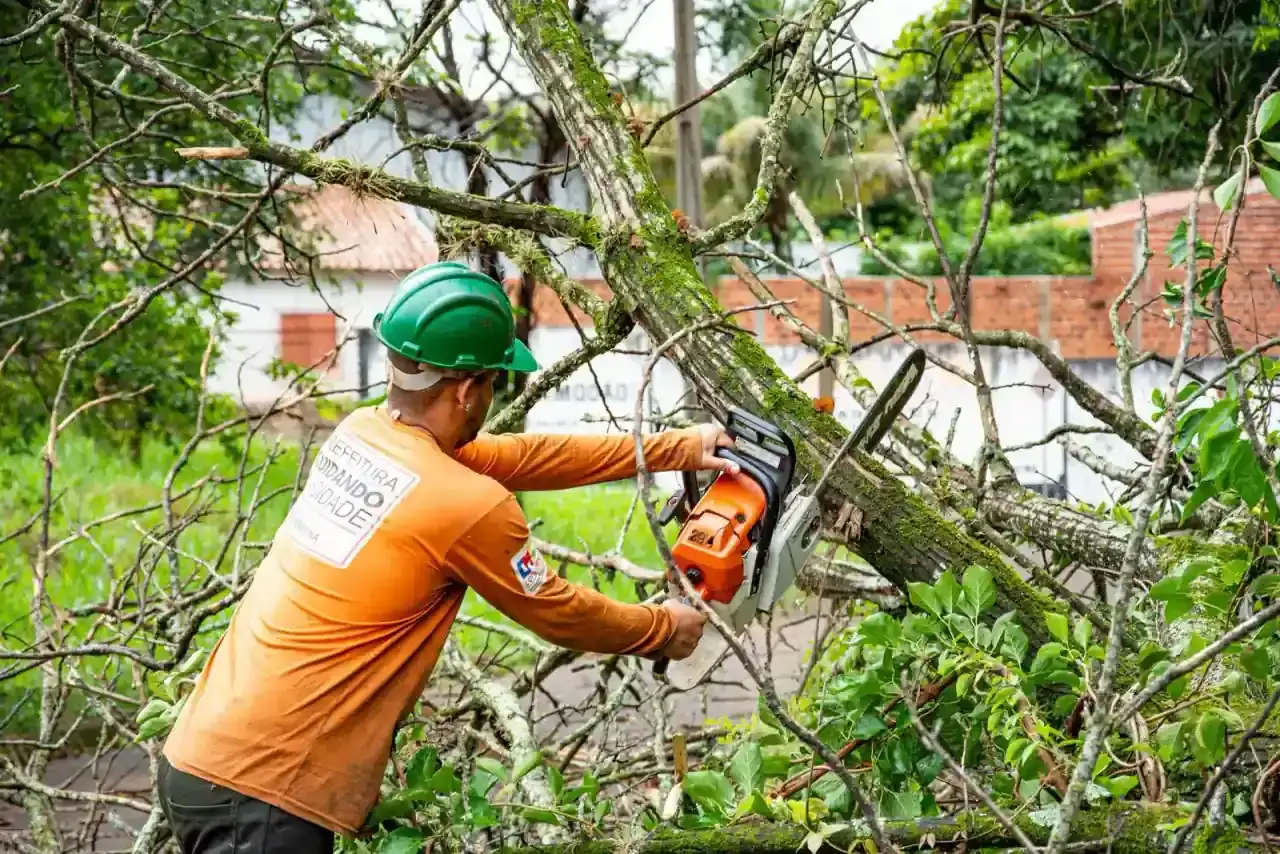
Why do invasive trees keep coming back?
Many invasive trees store energy in their roots and respond to cutting by sprouting from roots and the stump. Without treatment, a single cut tree can produce a thicket.
- Root suckers
- Tree of heaven and black locust send shoots up far from the stump.
- Stump sprouts
- Callery pear and Chinese tallow sprout from the cut edge.
- Seed bank
- Seeds in the soil keep germinating for years.
Invasive trees common in US yards
- Callery pear (Bradford pear)
- Weak forks, foul-smelling flowers and fast spread into fields. Some states now ban its sale.
- Tree of heaven
- Host of the spotted lanternfly. Aggressive root sprouting.
- Chinese tallow
- Takes over wet areas on the Gulf Coast.
- Norway maple
- Shades out native plants in Northeastern and Midwestern woods.
- Mimosa
- Spreads by seed along roads and yards in the South.
- Russian olive
- Crowds riverbanks across the West.
Control methods by species
| Method | How it works | Used on |
|---|---|---|
| Cut stump treatment | Herbicide applied to the fresh cut edge right after felling | Callery pear, Chinese tallow, mimosa |
| Hack and squirt | Cuts in the bark with herbicide, leaving the tree standing to die first | Tree of heaven, where cutting would trigger suckers |
| Basal bark | Oil-based herbicide on the lower trunk | Small stems and thickets |
| Pulling | Removing seedlings by the root | Seedlings in moist soil |
Herbicides must be applied according to the label. Professionals applying for hire need a state pesticide license.
How an invasive removal is done
Identify
Confirm the species; native lookalikes such as sumac and walnut are common.
Treat if needed
For root-sprouting species, herbicide is applied before cutting.
Cut and remove
Trees are cut once treatment has taken effect.
Monitor regrowth
Follow-up visits catch sprouts and seedlings.
Cutting alone or cutting with treatment
Cut only
- Fast, and done in one visit
- No herbicide on the property
- Many invasive species resprout heavily from the stump and roots
- Sprouts must be cut again for several seasons
Cut with treatment
- Prevents most regrowth
- Requires a licensed applicator when done for hire
- Timing matters: late summer and fall work best for many species
- Fewer return visits
For most invasive species, treatment is the only way to avoid years of repeated cutting. Where herbicide is not wanted, plan on mowing or clipping sprouts every few weeks through at least two growing seasons.
Tree of heaven and spotted lanternfly
Gray insects with red underwings
Adult spotted lanternflies, often clustered on tree of heaven trunks from midsummer into fall.
Mud-like egg masses
Gray, putty-like smears about an inch long laid on trees, cars, stone and outdoor furniture in fall.
Sticky honeydew and sooty mold
Patio furniture, decks and plants under the tree turn sticky and then black.
Red-and-black nymphs in early summer
The young stages, which feed on many plants before moving to tree of heaven.
Reporting
Pennsylvania, New Jersey, New York and other states ask residents to report sightings outside known infested areas.
What to plant afterward
Replacing invasive trees with native species helps wildlife and keeps the invasive species from returning to empty ground. A serviceberry or redbud can take the place of a Callery pear, and a blackgum or oak can replace a Norway maple.
See tree planting for guidance on choosing and planting replacements.
Bare ground left after a large invasive removal fills quickly with whatever seeds land first, and that is often more of the same invasive species. Mulching the area, seeding a cover or planting several natives at once closes the gap. On larger patches, a follow-up visit the next summer to pull seedlings is part of a complete job.
Invasive tree questions
Is it illegal to plant Bradford pear?
Some states, including Ohio, Pennsylvania and South Carolina, have banned or restricted sales of Callery pear. Check your state.
Can I remove tree of heaven by cutting it down?
Cutting alone usually produces many root suckers. Treatment before cutting works better.
Are invasive trees removed for free by cities?
Some cities and states run bounty or exchange programs for Callery pear. Check with your extension service.
How do I know if a tree is invasive?
State invasive species councils and extension services publish lists and identification guides.
What about small invasive trees and brush?
See small tree removal and brush clearing. Leftover roots are covered in tree root removal.
Talk to a invasive tree removal provider
Call to be connected with an independent tree service company near you.
(844) 955-1716Call availability varies by area and time of day
Limbwright is a referral service. Your call goes to an independent tree service company that sets its own schedule and terms. Ask for proof of insurance and a written scope before work starts. How this works
Call now
Talk to a tree service provider in your area. Have the tree's location and what it is near ready.
(844) 955-1716Call nowCall availability varies by area and time of day