
Reports · Permits
Tree Removal Permit Help
Whether you need a permit to remove a tree depends on where you live, the tree's size and species, and sometimes where it stands on the lot. Checking takes a few minutes with the city code and a tape measure, and skipping it can lead to stop-work orders and replacement requirements.
Call availability varies by area and time of day. Calls are answered by an independent tree service provider.
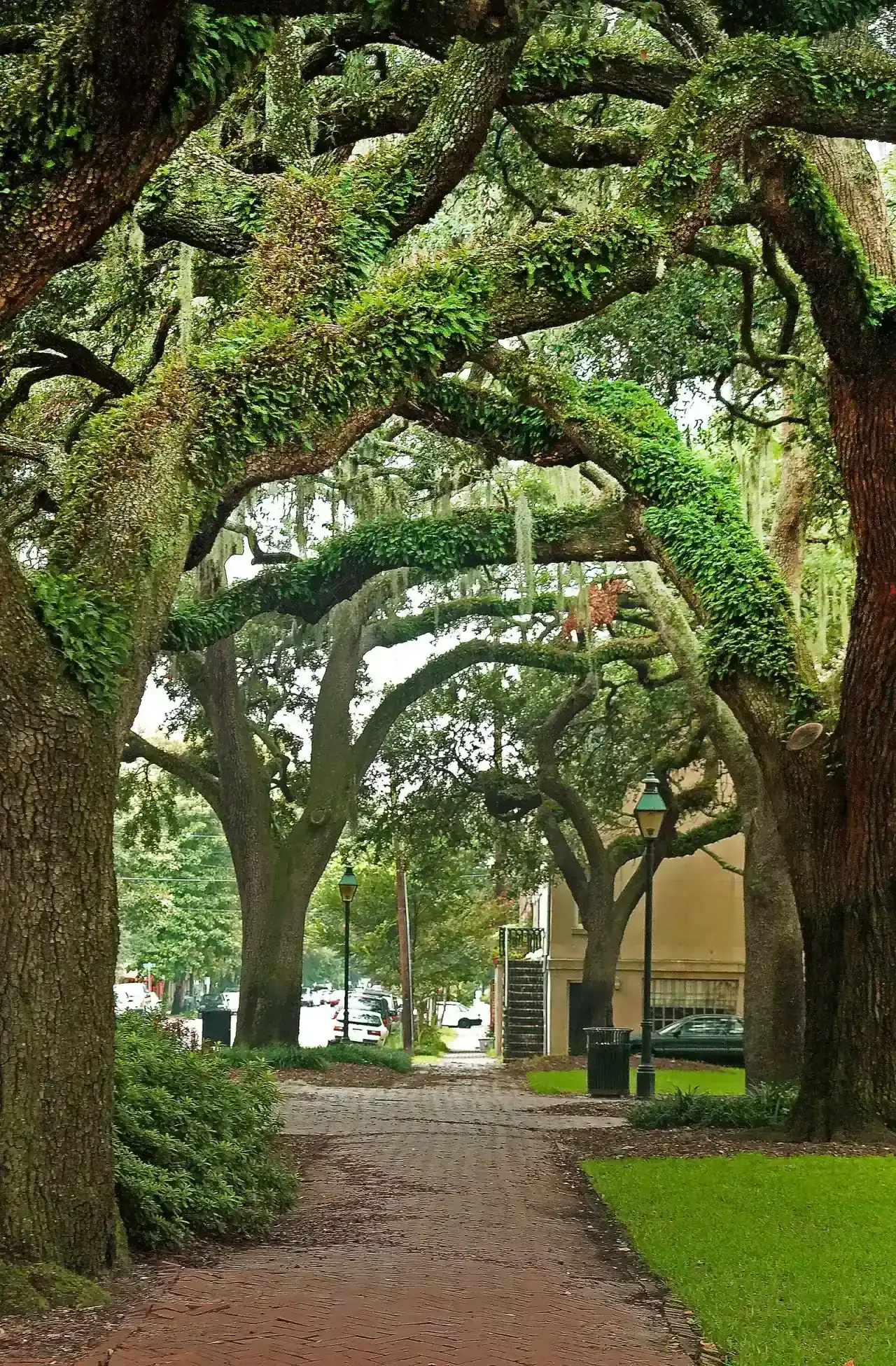
Checking whether a permit is needed
Find the city code
Search for your city's tree ordinance, often in the zoning or landscape code.
Measure the trunk
Diameter at breast height (DBH), 4.5 feet above the ground. Multiply circumference by 0.318 if you only have a tape.
Identify the species
Some cities protect certain species at smaller sizes.
Note the location
Front yards, street right-of-way and creek buffers often have stricter rules.
Ask the city
When in doubt, call the city arborist or planning office.
Do I need a permit to remove a tree on my property?
In many US cities, no, unless the tree is large or a protected species. Cities with strong tree ordinances, including Atlanta, Austin, Oakland, Los Angeles and Portland, Oregon, require permits for many private trees. Counties and homeowners associations can add rules of their own.
- Size thresholds
- Common cutoffs are 6, 8, 12 or 24 inches DBH, depending on the city.
- Species protection
- Oaks, native trees and heritage species are protected in many places.
- Street trees
- Trees in the public right-of-way almost always need city approval.
Examples from city codes
| City | Example rule | Details |
|---|---|---|
| Atlanta, Georgia | Hardwoods at 6 inches DBH and pines at 12 inches on private property | Atlanta |
| Austin, Texas | Protected trees at 19 inches, heritage trees at 24 inches | Austin |
| Oakland, California | Coast live oak at 4 inches, most others at 9 inches | Oakland |
| Los Angeles, California | Native oaks, western sycamore, black walnut and California bay at 4 inches | Los Angeles |
Rules change. Check the current code and the city page before relying on any figure here.
What applications usually ask for
- Site plan
- A simple drawing or survey showing the tree's location.
- Tree details
- Species, DBH and condition.
- Reason
- Dead, hazardous, construction, or other.
- Arborist report
- Often required for large or protected trees.
- Replacement plan
- Where new trees will be planted.
Common exemptions
Dead trees
Many cities exempt or fast-track dead trees, with photo documentation.
Emergency removals
Trees that fall or threaten a structure, with notice afterward.
Invasive species
Some cities exempt listed invasive trees.
Small trees
Trees below the size threshold.
Applying or skipping the permit
Apply
- Clear record of approval
- Time to explore alternatives
- Replacement planned in advance
Skip
- Stop-work orders on construction
- Penalties and replacement requirements
- Problems at resale if the removal is discovered
Penalties for removing protected trees without approval can be severe. The safest course is to check first.
Posting, notice and appeals
Some cities require the property to be posted with a notice for a period before a permit is issued, giving neighbors a chance to comment or appeal. Atlanta, for example, posts removal permits for a public comment period.
If an application is denied, most cities provide an appeal process to a board or commission. An arborist report that addresses the code's criteria directly gives the best chance of approval.
Permit questions
How long does a tree removal permit take?
From a few days for dead trees to several weeks for protected trees requiring review and posting.
Who applies for the permit, the owner or the tree company?
Either, depending on the city. The owner is responsible for compliance.
Do I need a permit to prune a tree?
Most cities only regulate removal and severe pruning, but some regulate any work on protected trees.
What if I remove a protected tree without a permit?
Cities may require replacement trees, payments into a tree fund, or other penalties.
Talk to a tree permit help provider
Call to be connected with an independent tree service company near you.
(844) 955-1716Call availability varies by area and time of day
Limbwright is a referral service. Your call goes to an independent tree service company that sets its own schedule and terms. Ask for proof of insurance and a written scope before work starts. How this works
Call now
Talk to a tree service provider in your area. Have the tree's location and what it is near ready.
(844) 955-1716Call nowCall availability varies by area and time of day