
Carmel, Indiana
Tree Removal and Tree Service in Carmel, Indiana
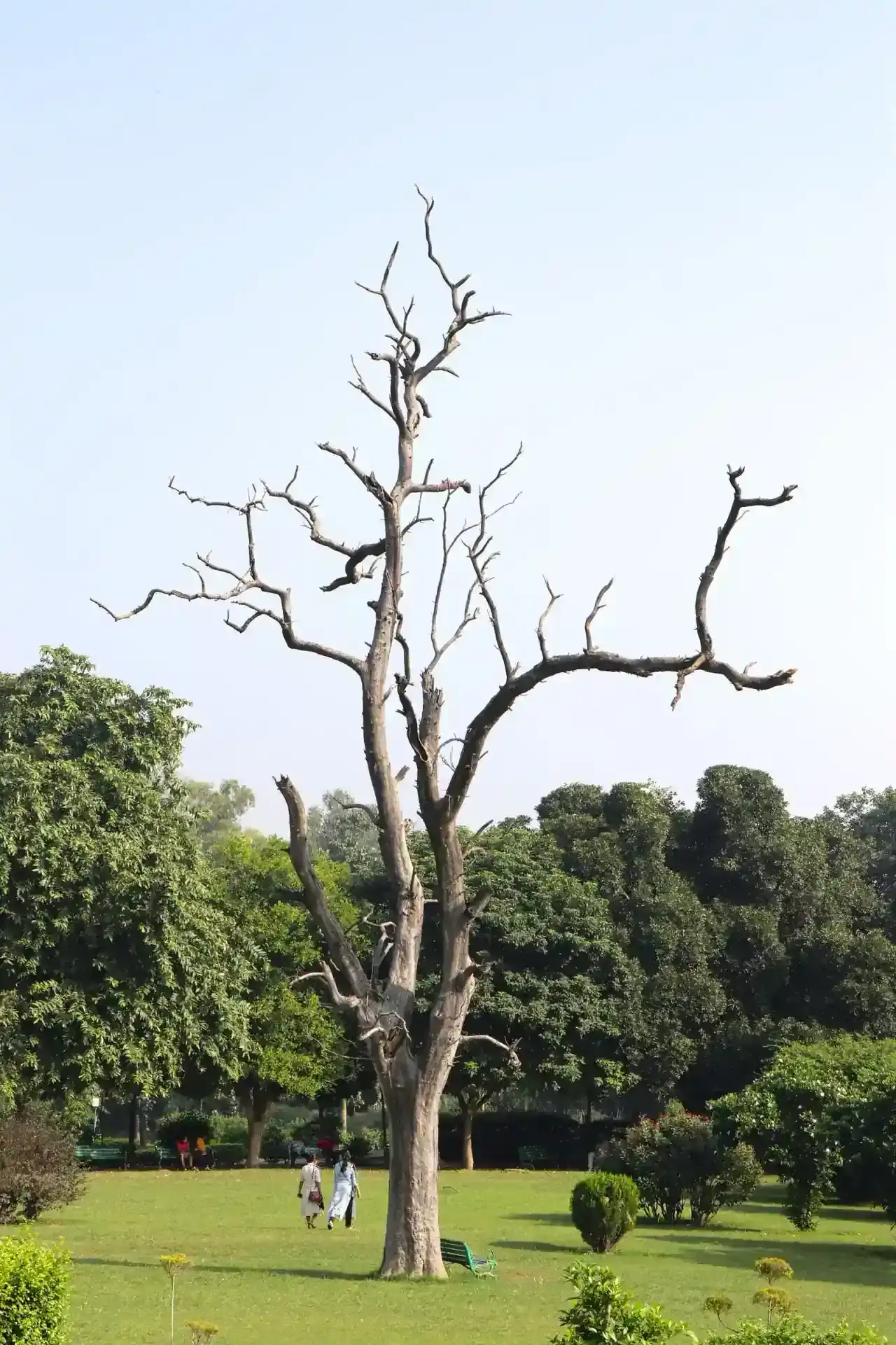
In early 2006, an emerald ash borer infestation found in Carmel changed how Indiana fought the beetle. The state stopped cutting every ash within half a mile of an infestation and switched to restricting the movement of ash wood. By 2014, Carmel's parks had removed more than 500 dead ash in a single year.
- County
- Hamilton
- Tree rules
- City of Carmel urban forestry for public trees; Indiana DNR pest rules
- Key local rule
- Public trees managed by the city; private ash decisions rest with owners
- Electric utility
- Duke Energy Indiana
- Main hazards
- Dead ash, summer storms, ice, young subdivision trees
The 2006 policy change
Indiana's early response to emerald ash borer was eradication: removing ash within half a mile of every infestation. After the Carmel find in 2006, state officials concluded that approach could not keep up with the spread. They switched to quarantines that restricted moving ash trees and most ash products out of infested areas.
Since then the borer has spread across the state, and the emphasis has moved to treating valued ash, removing dying ones and replanting with other species.
A fast-growing suburb's trees
Carmel grew rapidly north of Indianapolis, and much of its canopy is young: trees planted with subdivisions over the past 30 years. Ash, Bradford pear and red maple were common choices. Ash died, Bradford pears split in storms, and red maples have struggled on compacted clay.
The city's parks department planted other species years before the ash died, which gave some parks replacement canopy when the ash came down. Parks and city streets now favor a wider mix of oaks, hackberry, Kentucky coffeetree and lindens.
Older parts of Carmel near the Monon Trail and along the White River keep larger native trees.
Many Carmel neighborhoods are governed by homeowners associations that set approved species lists and require architectural approval for removals and replacements. Coordinating ash removals across a whole street through the HOA is often simpler and safer than tree-by-tree work.
What should Carmel homeowners do with ash?
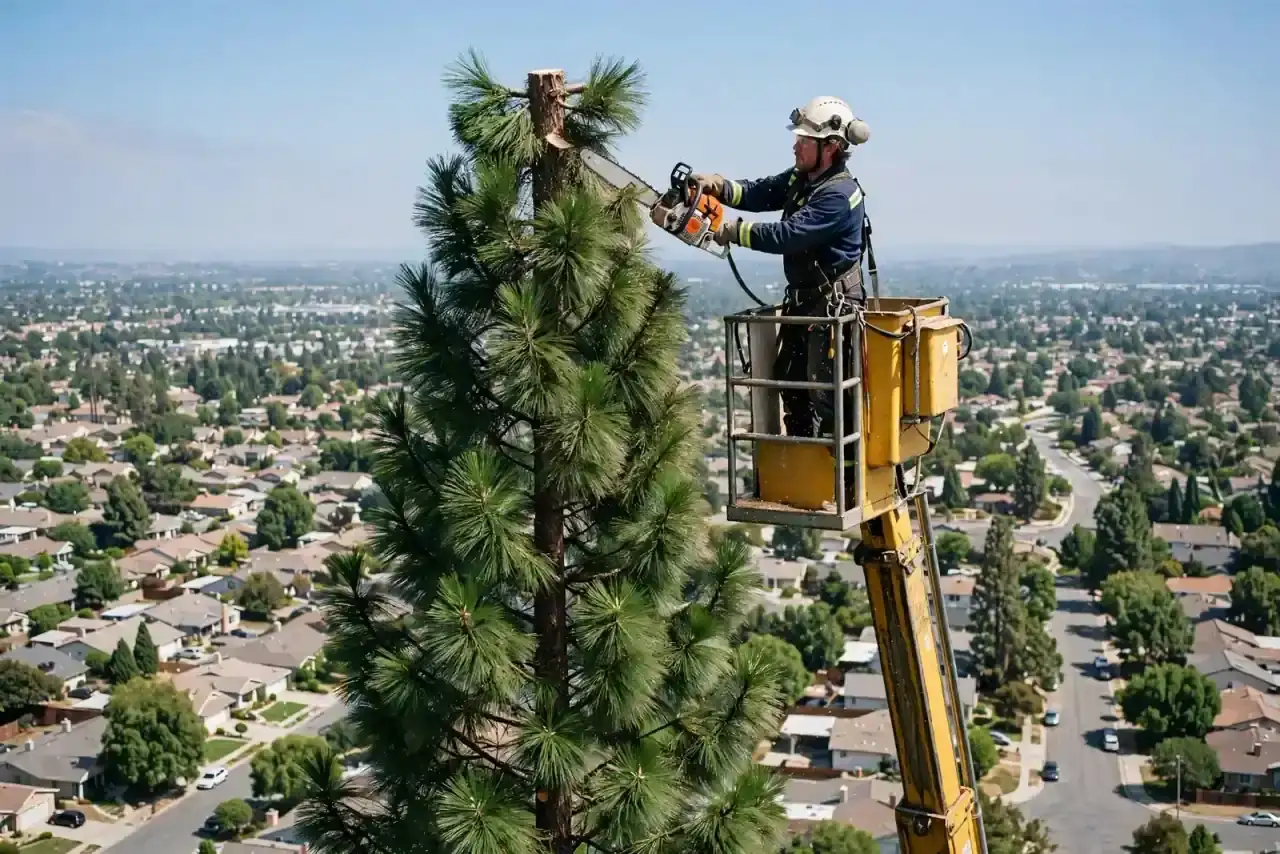
Treat healthy ash you want to keep and remove declining ones before they die and turn brittle. Many Carmel subdivisions were planted with ash in the 1990s and 2000s, so a single street may have several dying trees at once. HOAs often coordinate removals and replanting.
- Healthy ash
- Treatment can protect them.
- Declining ash
- Remove while the wood is sound.
- Replant
- A different genus, chosen with your HOA.
Central Indiana warning signs
Dead ash in common areas
HOA trees that need removal.
Bradford pears with tight forks
Likely to split.
Red maples with yellow leaves
Nutrient problems on high-pH clay.
Young trees with stakes still on
Girdling from ties left too long.
Replacing a subdivision ash
Check HOA rules
Approved species and placement.
Remove and grind
Plant a few feet to the side.
Pick a strong species
Not ash or Callery pear.
Water two summers
And mulch wide.
Prune young
Structure built early lasts.
Ash options for Carmel owners
| Condition | Usual choice |
|---|---|
| Full, healthy crown | Treat |
| Light thinning | Treat, then monitor |
| Heavy dieback or woodpecker damage | Remove |
| Dead | Remove promptly |
Carmel tree questions
Who maintains trees along Carmel streets?
The city maintains public trees. In many subdivisions, the HOA maintains common area and some street trees.
Can Carmel ash firewood be taken to another county?
Burn it locally. Moving firewood spreads pests.
Why did Indiana stop cutting healthy ash around infestations?
After the 2006 Carmel find, the state judged eradication unworkable and switched to quarantines.
Should I treat a small ash?
Small ash can be treated with soil-applied products. Weigh its value against the ongoing commitment.
What trees do well in Carmel?
Swamp white oak, bur oak, hackberry, Kentucky coffeetree, lindens and disease-resistant elms suit central Indiana clay soils.
Reach a tree service in Carmel
Call to be connected with an independent tree company that works in the Carmel area, or leave your number and one will call you back.
(844) 955-1716Call availability varies by area and time of day
Limbwright is a referral service. Your call goes to an independent tree service company that sets its own schedule and terms. Ask for proof of insurance and a written scope before work starts. How this works
Call now
Talk to a tree service provider in your area. Have the tree's location and what it is near ready.
(844) 955-1716Call nowCall availability varies by area and time of day