
Question guide
Should I Remove a Tree Before Selling My House?
Updated · Limbwright editorial
Short answer
Remove trees that are dead, leaning toward the house or obviously failing, because buyers and inspectors will flag them. Keep healthy, well-placed shade trees, which most buyers see as an asset. Light pruning and deadwood removal before listing make the yard look cared for.
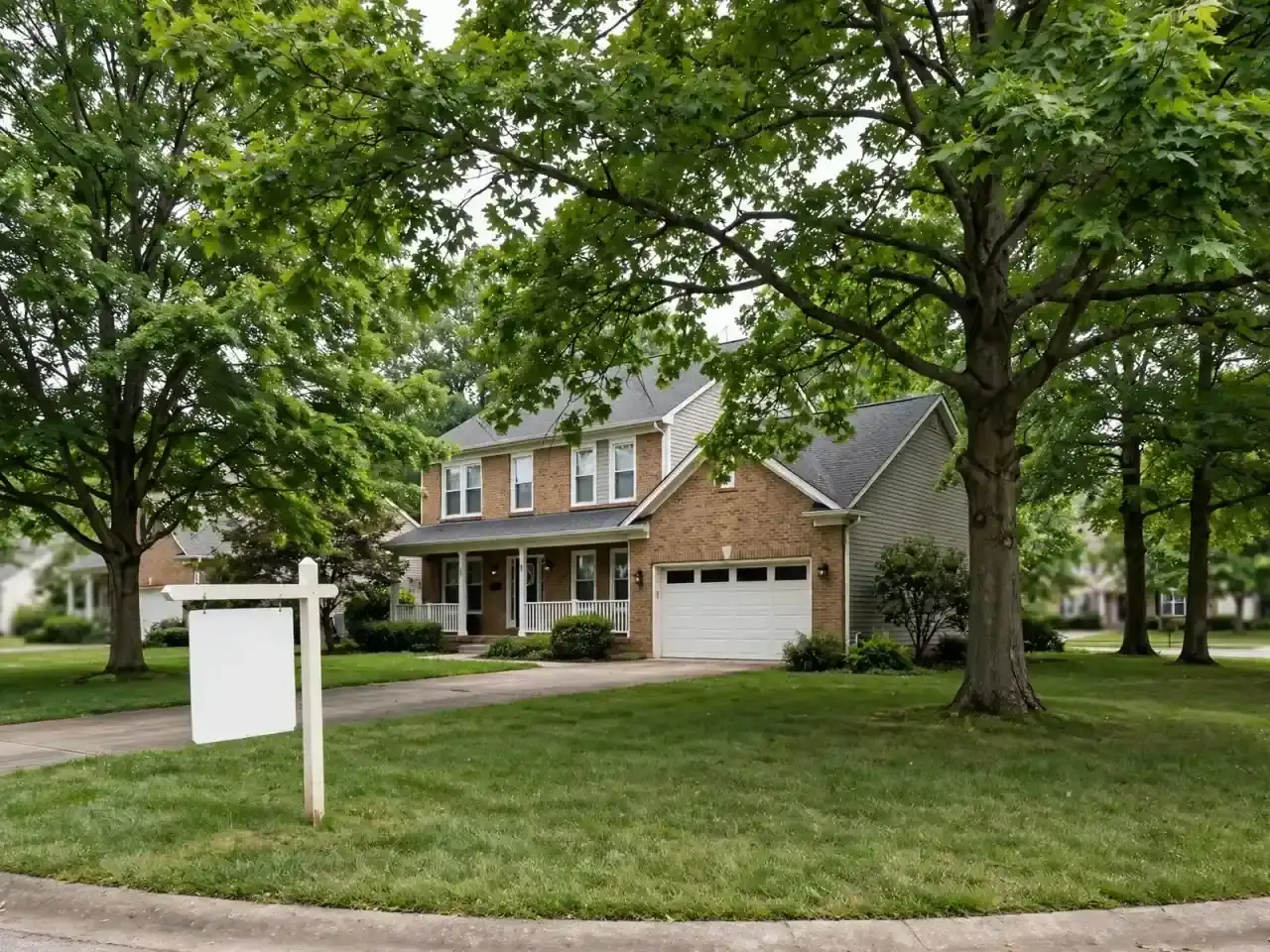
Remove, prune or keep?
Remove clear hazards. Prune trees with dead limbs over the roof. Keep healthy trees. A mature tree that shades the house in summer is rarely a reason a buyer walks away, but a dead tree next to the bedroom often is.
- Remove
- Dead trees and trees with obvious structural failure.
- Prune
- Dead wood, limbs on the roof, branches over the driveway.
- Keep
- Healthy, well-placed shade and ornamental trees.
What buyers and inspectors notice
Dead or leafless trees
Seen as an immediate job and a risk.
Branches on the roof
Raise questions about roof wear and pests.
Roots near the foundation
Prompt questions about settling and pipes.
Fresh stumps
Buyers ask why trees came down.
A pre-listing tree checklist
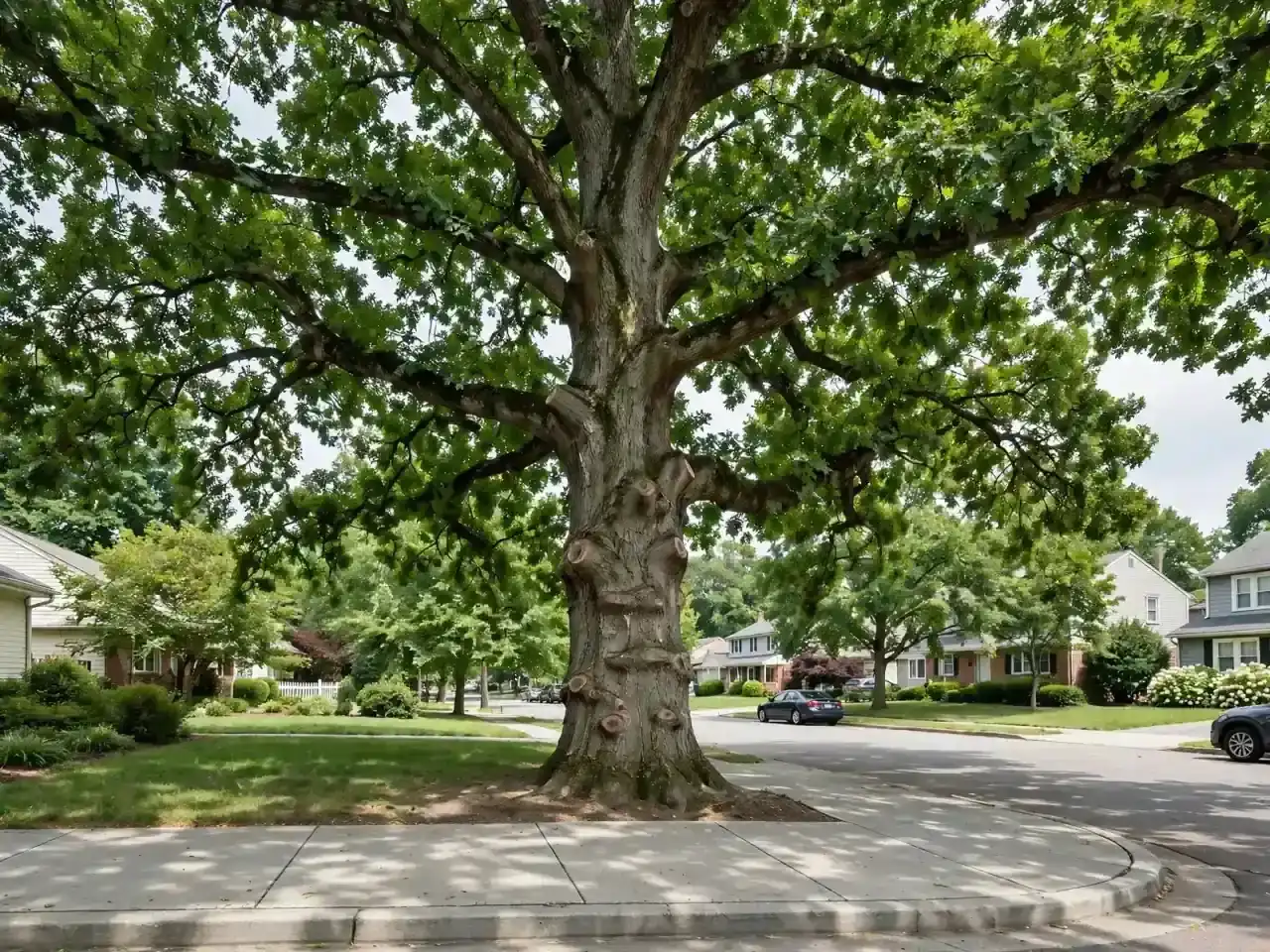
Walk the yard
Note every tree within reach of the house.
Clear dead wood
The quickest improvement in curb appeal.
Lift low branches
Over the driveway and walk.
Grind old stumps
So the lawn looks finished.
Keep receipts
Buyers like seeing recent tree work.
Keeping a big tree or taking it down
Keep
- Shade and curb appeal
- Healthy trunk and crown
- A safe distance from the house
Take down
- Dead or dying
- Leaning toward the house
- Known decay or damage
If you are unsure, an arborist's short report can answer the question for you and for buyers.
Selling-season tree questions
Do I have to disclose a dying tree?
Disclosure rules vary by state. A known hazard is safer to fix or disclose.
Should I remove a tree the buyer's inspector flagged?
Get your own arborist opinion first. Some flagged trees only need pruning.
Do trees raise home value?
Studies have found mature trees are often associated with stronger buyer interest and faster sales.
Trees and the inspection period
Home inspectors usually note visible tree issues near the house, such as dead limbs, branches on the roof or trees leaning toward the structure, but many are not trained arborists. A note in the report can lead buyers to ask for repairs or concessions. Having a tree professional look first lets you fix real problems on your own schedule instead of under the pressure of a closing date.
Cleanup before photos also matters. Listing photos taken after dead wood is cleared and stumps are ground show a yard that looks maintained. If a large tree must come down, doing it early gives the lawn time to recover. Keep the work invoice and any arborist report with your disclosure documents, since buyers often ask about large trees close to the house.
Before you list
A quick tree visit before listing heads off surprises during the inspection period. See tree inspection before buying a home for what inspectors look for, and dead tree removal if one has to go.
This guide is general information, not professional, legal or insurance advice. Tree conditions, local rules and policy terms vary. Have a qualified arborist inspect the tree, and confirm regulations and coverage with your city and insurer.
Want someone to look at the tree?
Call to be connected with an independent tree service company in your area.
(844) 955-1716Call availability varies by area and time of day
Limbwright is a referral service. Your call goes to an independent tree service company that sets its own schedule and terms. Ask for proof of insurance and a written scope before work starts. How this works
Call now
Talk to a tree service provider in your area. Have the tree's location and what it is near ready.
(844) 955-1716Call nowCall availability varies by area and time of day