Question guide
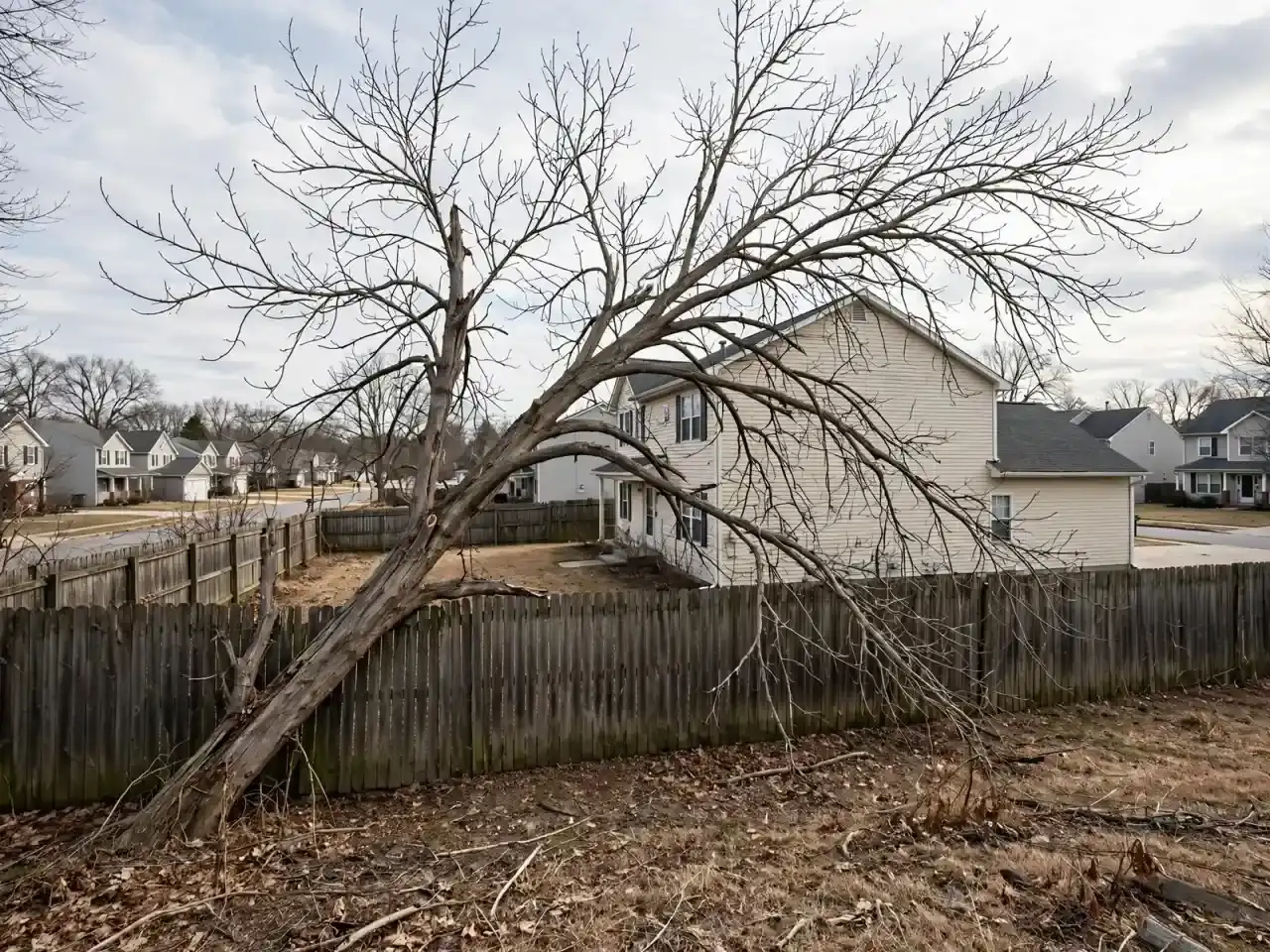
A Neighbor's Dead Tree Threatens My House
Updated · Limbwright editorial
Short answer
Talk to your neighbor first, then follow up in writing with photos. Written notice matters: in many states, an owner who knew a tree was dead or dangerous can be held responsible if it falls. Some cities can also order owners to remove dangerous trees.
Step by step
Talk calmly
Many owners have not noticed the tree is dead.
Put it in writing
A dated letter or email with photos.
Offer an arborist's opinion
An independent report is hard to dismiss.
Check city rules
Some cities treat dangerous trees as nuisances.
Trim what overhangs
You can usually cut branches back to your line.
Can the city make them remove it?
In some cities, yes. For example, St. Paul, Minnesota and Baton Rouge, Louisiana can order owners to deal with dangerous or diseased trees after notice. Contact your city's forestry, code enforcement or 311 service to ask.
- Nuisance rules
- Dead or decaying trees threatening others.
- Notice period
- Owners are usually given time to act.
- City action
- Some cities do the work and bill the owner.
Signs the tree is dangerous
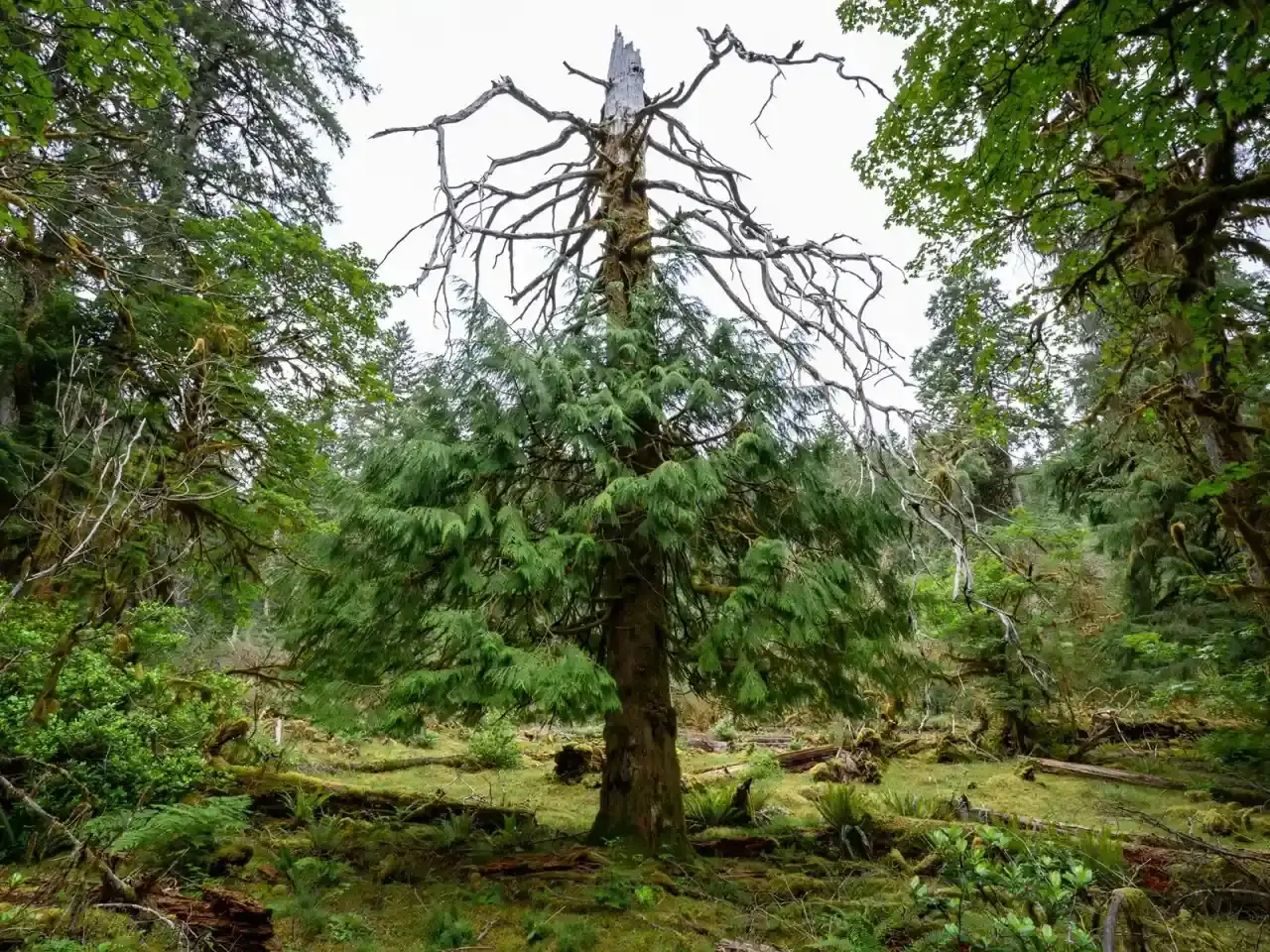
No leaves in summer
A dead tree.
Bark falling off
Wood drying and weakening.
Large dead limbs over your roof
The most immediate risk.
Lean toward your house
With lifted soil at the base.
Insurance points
- If it falls on your house
- Your homeowners policy usually pays first.
- Your insurer may recover
- From the neighbor if they ignored written warnings.
- Keep copies
- Of every message and photo.
Questions about a dangerous tree next door
Can I go onto their property to cut the tree?
No, not without permission.
Can I sue?
In some cases, if the tree causes damage after the owner was warned. Talk to a lawyer about your state's rules.
What if the tree is on a vacant lot?
Contact the city. Vacant-lot hazards are a common code enforcement issue.
Why written notice matters
If the tree belongs to a landlord or a company, send the letter to the owner listed in county property records, not just the tenant. Renters often cannot authorize tree work, and the legal duty usually sits with the property owner.
Liability for a fallen tree often turns on whether the owner knew, or reasonably should have known, that the tree was dangerous. A healthy tree that falls in an unusual storm is often treated as an act of nature. A tree that was visibly dead, with a neighbor's dated letter and photos showing it, is a different situation, because the owner had warning and a chance to act.
Keep the tone of any letter factual and friendly. Describe what you see, attach photos, mention that you are worried about your house and ask if they would have it checked. Sending it by email or certified mail gives you a record. This approach protects you and often prompts the neighbor to act, since many owners also do not want the liability.
Make removal easy to say yes to
Sometimes the quickest path is offering to arrange the crew. See dead tree removal and hazardous tree removal for how these trees are taken down safely.
This guide is general information, not professional, legal or insurance advice. Tree conditions, local rules and policy terms vary. Have a qualified arborist inspect the tree, and confirm regulations and coverage with your city and insurer.
Want someone to look at the tree?
Call to be connected with an independent tree service company in your area.
(844) 955-1716Call availability varies by area and time of day
Limbwright is a referral service. Your call goes to an independent tree service company that sets its own schedule and terms. Ask for proof of insurance and a written scope before work starts. How this works
Call now
Talk to a tree service provider in your area. Have the tree's location and what it is near ready.
(844) 955-1716Call nowCall availability varies by area and time of day