
Virginia Beach, Virginia
Tree Removal and Tree Service in Virginia Beach
Whether you need approval to remove a tree in Virginia Beach depends mostly on water. Much of the northern half of the city drains to the Chesapeake Bay, and lots along its creeks and coves carry a protected 100-foot buffer.
- Jurisdiction
- Independent city
- Tree rules
- Chesapeake Bay Preservation Area program, Planning Department. Parks and Recreation for city trees.
- Key local rule
- Tree removal in a Resource Protection Area buffer needs city approval
- Electric utility
- Dominion Energy
- Main hazards
- Hurricanes, nor'easters, tornadoes, flooding, salt
Do I need approval to remove a tree in Virginia Beach?
On an ordinary inland lot, no. On a lot with a Resource Protection Area, yes for trees inside the buffer. The RPA is the 100 feet of land beside tidal water, tidal wetlands and connected streams in the Chesapeake Bay watershed.
- Where it applies
- The Lynnhaven River system, Little Creek and Elizabeth River drainages in the north and west of the city.
- Dead and dangerous trees
- Can usually be approved quickly, with replacement planting.
- Southern watersheds
- Land draining to Back Bay and the North Landing River falls under separate city watershed rules.
Virginia Beach by area
| Area | Trees | Conditions |
|---|---|---|
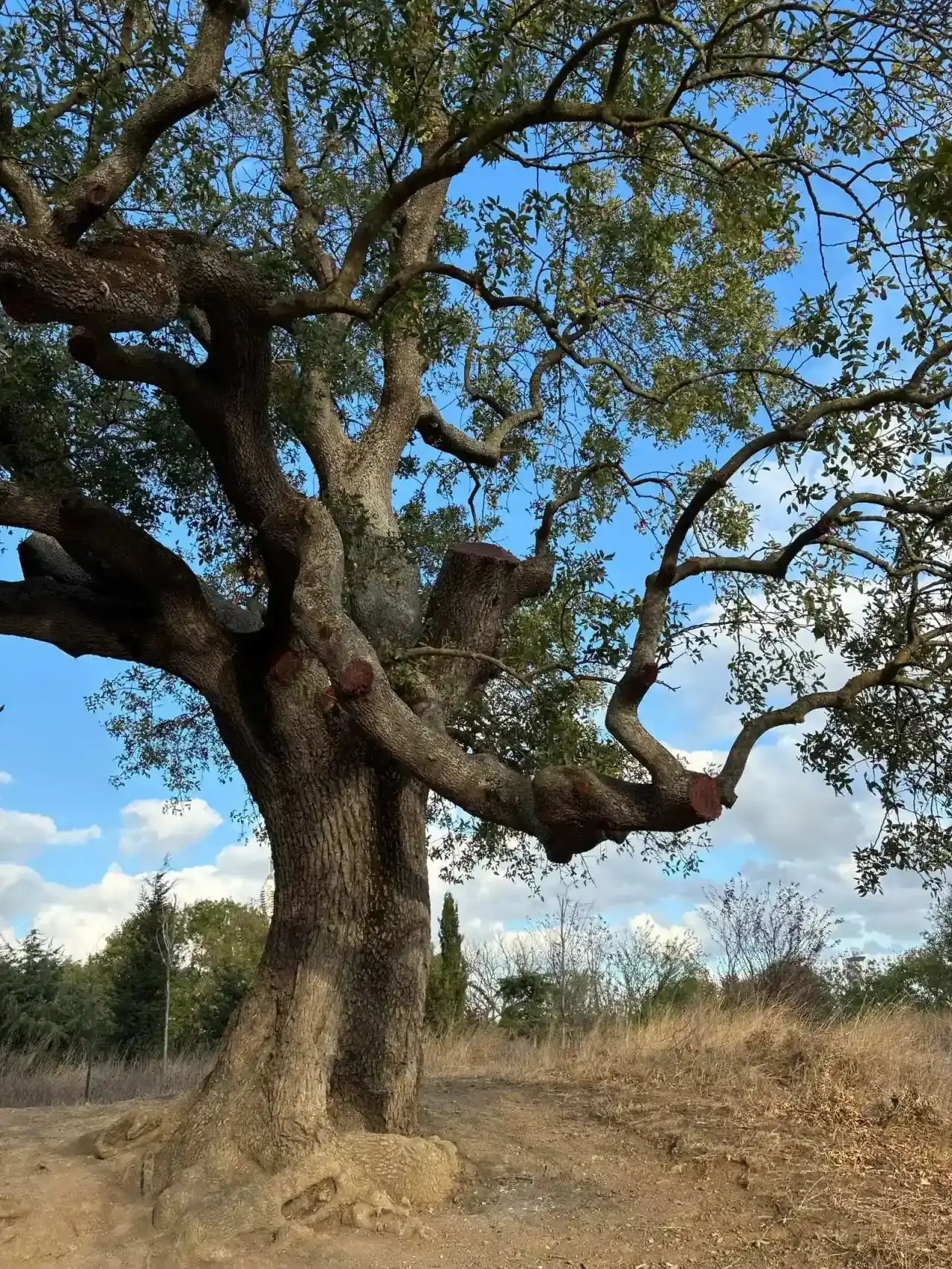
| North End and Bay shore | Live oak, loblolly pine, wax myrtle | Sand, salt spray and wind. Live oaks here are near their northern limit. |
| Great Neck, Little Neck, Lynnhaven | Tall pines, oaks, sweetgum on waterfront lots | Buffer rules. Very tall trees close to houses. |
| Kempsville and central suburbs | Loblolly pine, red maple, willow oak | Flat, poorly drained ground. Shallow roots. |
| Pungo and the south | Bald cypress, pine, farm windbreaks | Rural lots and flooding from wind tides |
How the bay buffer works for a homeowner
Virginia Beach administers the state Chesapeake Bay Preservation Act through its own ordinance. Within the buffer, vegetation is supposed to stay in place to filter runoff. Removing a tree there requires approval from city staff or, for larger changes, the Chesapeake Bay Preservation Area Board.
Staff can generally sign off on dead, dying, diseased or storm-damaged trees. Expect to show photographs and to replant. Clearing for a lawn or a wider view is treated very differently and is often denied or conditioned.
Outside the buffer the city does not require a permit for a tree on an existing single-family lot. Trees on city property and in the right-of-way are managed by Parks and Recreation. Homeowner association covenants, which are common here, may be stricter than the city.
Hurricanes, nor'easters and a tornado
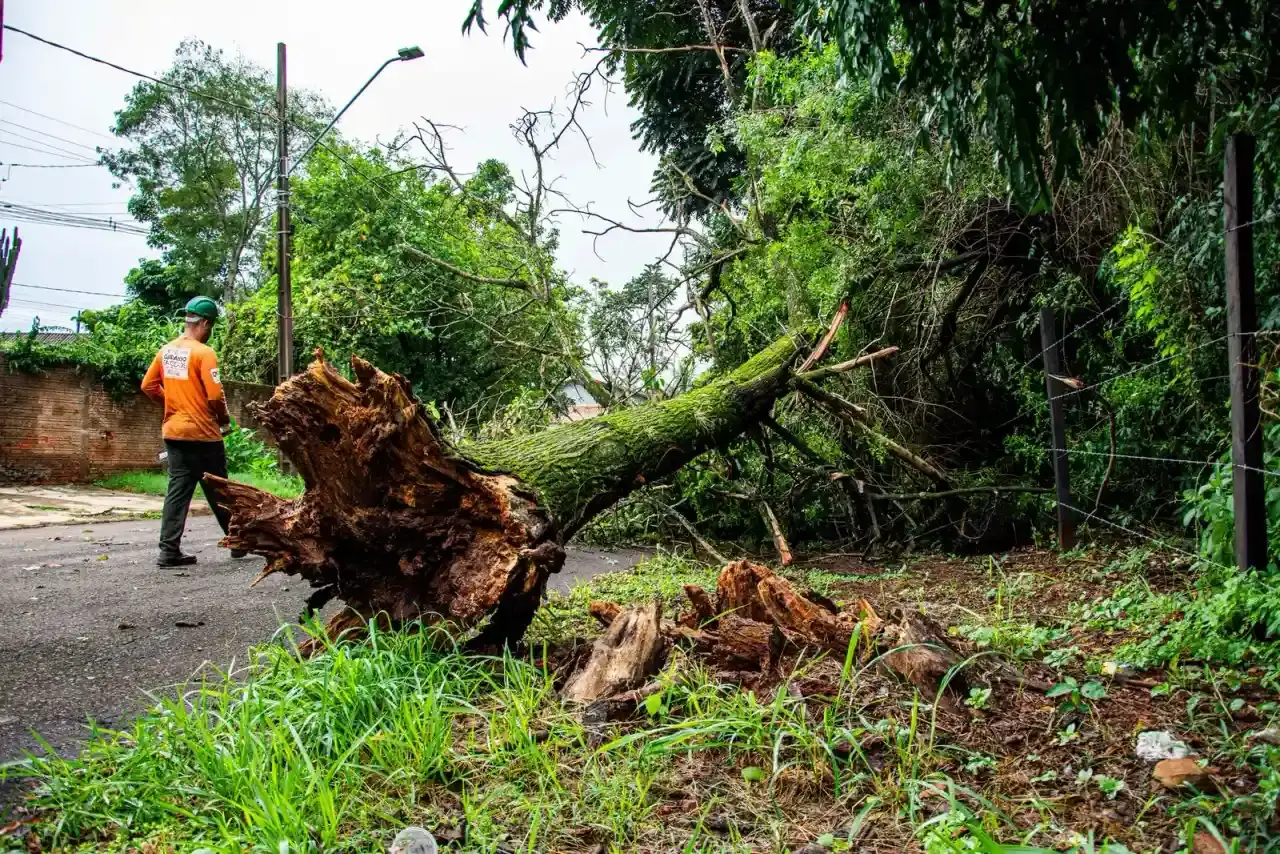
Hurricane Isabel in 2003 is the storm older residents measure by. Pines snapped and oaks uprooted across the city, and power was out for a week or more in many neighborhoods. Matthew in 2016 did less wind damage but flooded inland streets that had never flooded before.
Nor'easters arrive several times a winter. Their wind is weaker than a hurricane's but lasts for days, and it pushes water into the Lynnhaven and Back Bay systems. Trees standing in saturated or flooded ground lose their grip.
On April 30, 2023 a strong tornado crossed the Great Neck area and River Road, destroying houses and stripping or toppling the tall pines and oaks the neighborhood was known for.
How local trees fail
- Loblolly pine
- Snaps in the upper trunk in strong wind or uproots in wet ground. Lightning strikes are common and lead to beetle attack.
- Live oak
- Very wind-firm. Long limbs over houses need occasional weight reduction.
- Water and willow oak
- Large, heavy and prone to root rot on wet sites.
- Bradford pear and Leyland cypress
- Short-lived. They split or brown out within a few decades.
- Trees flooded by salt water
- Decline over the following year. Wait for spring growth before judging them.
Before and after a coastal storm
- This week
A pine was struck by lightning
Watch for browning and pitch on the trunk over the next months. Remove it if it fades.
- Act now
A tree in the buffer fell or is hanging
Deal with the hazard, photograph it and notify the city's bay program.
- Plan it
Tall pines stand close to the house on a waterfront lot
Have them assessed and ask about the buffer before storm season. See tree risk assessment.
- Plan it
Salt water covered the yard
Flush the soil with fresh water if you can and wait before removing anything.
Virginia Beach tree service questions
How do I know if my Virginia Beach lot has an RPA?
Check your survey or plat, where the buffer line is usually drawn, or ask the Planning Department's Chesapeake Bay program. Waterfront and creek-side lots in the bay watershed almost always have one.
Can I remove a dead pine in the buffer?
Usually yes, with city approval and replacement planting. Get the approval first unless the tree is an immediate danger.
Does Virginia Beach require a permit for other private trees?
Not on an existing single-family lot outside the buffer. Check HOA covenants.
Are pines dangerous near houses in Virginia Beach?
Tall pines do fail in hurricanes and tornadoes, but a healthy, well-rooted pine is not a defect by itself. Lightning damage, lean, and wet ground are what raise the risk.
Reach a tree service in Virginia Beach
Call to be connected with an independent tree company that works in the Virginia Beach area, or leave your number and one will call you back.
(844) 955-1716Call availability varies by area and time of day
Limbwright is a referral service. Your call goes to an independent tree service company that sets its own schedule and terms. Ask for proof of insurance and a written scope before work starts. How this works
Call now
Talk to a tree service provider in your area. Have the tree's location and what it is near ready.
(844) 955-1716Call nowCall availability varies by area and time of day