
Pittsburgh, Pennsylvania
Tree Removal and Tree Service in Pittsburgh
Pittsburgh's trees grow on some of the steepest residential ground in the country, much of it wooded hillside that nobody maintains. When a slope lets go, the trees on it come down across streets, wires and houses together.
- County
- Allegheny
- Tree rules
- City Code street tree provisions. Forestry Division, Department of Public Works.
- Key local rule
- Tree work permit to have a private company work on a city tree
- Electric utility
- Duquesne Light
- Main hazards
- Landslides, straight-line winds, heavy wet snow, oak wilt, emerald ash borer
Slides, red beds and wooded hillsides
The city's chief engineer has said that Pittsburgh knows of about 100 landslides within its limits. Many sit on the Pittsburgh red beds, layers of claystone that soften and lose strength when wet. Record rainfall in 2018 and wet seasons since have set off slides in Garfield, Mount Washington, Riverview Park and Lincoln Place.
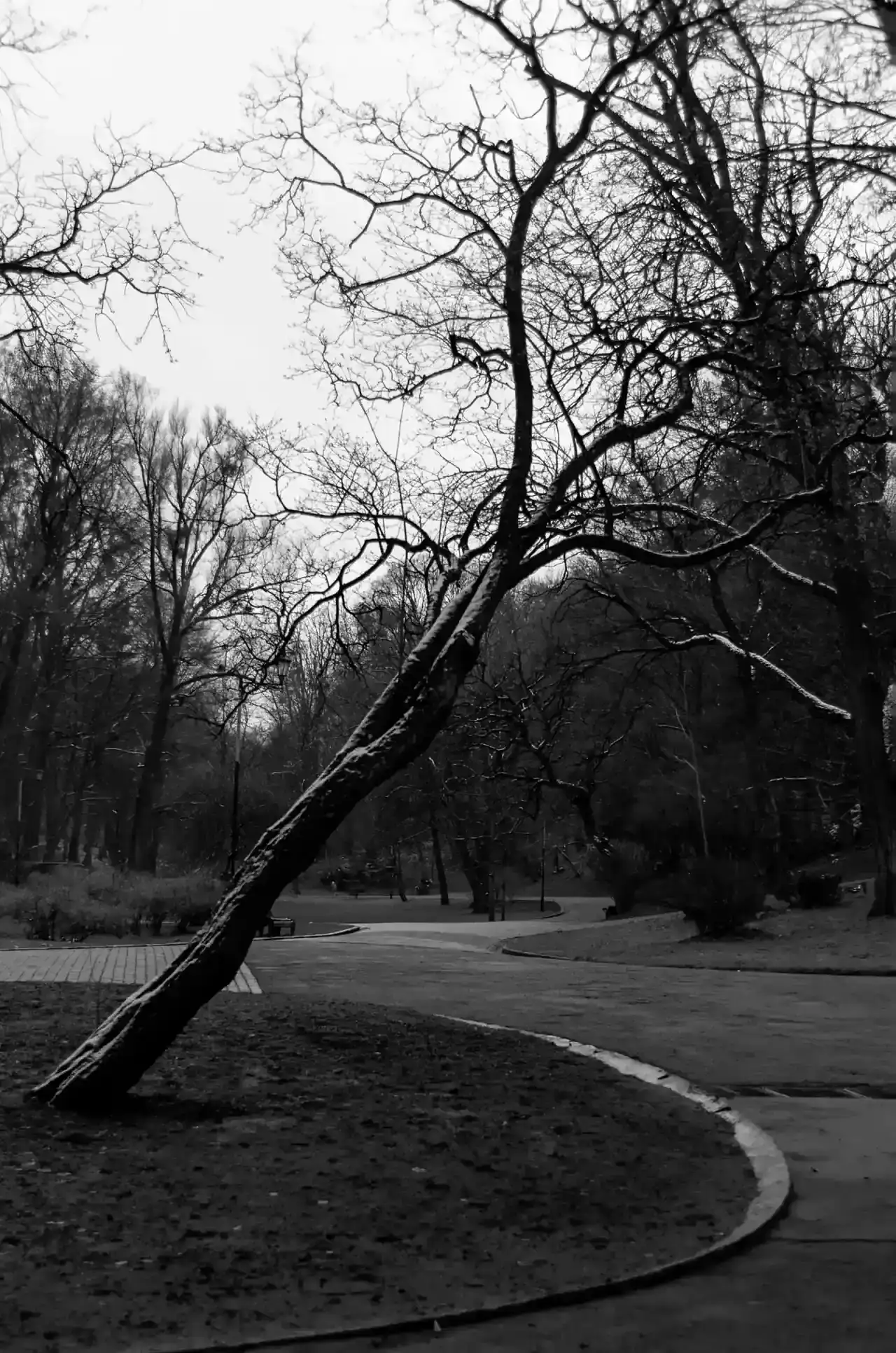
The slopes are mostly covered in second-growth woods: black locust, Norway maple, black cherry, tree of heaven and grapevine. When the ground moves, those trees tip with their roots exposed. In one Lincoln Place slide, forestry staff warned that the leaning trees would take out the power lines below unless they were cut first.
Wind does the rest. A straight-line windstorm on April 29, 2025 cut power to hundreds of thousands of customers across the region and felled trees in nearly every neighborhood.
City trees, the tree work permit and appeals
The Forestry Division maintains trees in the right-of-way and in city parks. A tree an owner plants in the right-of-way becomes a city tree by default. An owner who wants a private company to prune or remove a city tree applies for a tree work permit. The permit is valid for 30 days, Forestry must be notified 24 hours before work begins, and the work is to be supervised by an ISA Certified Arborist.
When the City Forester tags a street tree for removal, appeal packets are normally left at the six properties nearest the tree. A tree the Forester verifies as a hazard can be removed without notice or appeal.
For trees on private lots, the city's forestry FAQ does not describe a removal permit. Historic districts and properties on mapped landslide-prone slopes can face other reviews, so check with the Department of Permits, Licenses and Inspections before clearing a hillside.
What a Pittsburgh hillside adds to a tree job
- No place to stand
- Climbers work on slopes too steep for a lift, and every piece is roped so it cannot roll downhill.
- City steps and dead-end streets
- Some houses are reached only by public stairways. Equipment stays at the top and wood is carried or winched.
- Wires below
- Duquesne Light lines often run along the street at the foot of the slope, directly under the work.
- Who owns the hillside
- Many slopes are split among private lots, the city and vacant parcels. Ownership has to be settled before anyone cuts.
- Ground that is still moving
- On an active slide, removal is coordinated with an engineer, because weight and vibration matter.
Trees you will meet in Pittsburgh
- London plane
- The classic street tree of the East End and North Side. Big, tolerant and often in conflict with sidewalks.
- Callery pear
- Planted heavily in the 1980s and 90s. Breaks apart in wind and wet snow.
- Red oak and pin oak
- The large canopy trees of Squirrel Hill, Highland Park and the city parks. Oak wilt has been found in Allegheny County.
- Norway maple
- Common in yards and on slopes. Shallow roots and frequent trunk decay.
- Black locust
- The typical hillside tree. Hard wood, but it uproots readily from thin, wet soil.
- Tree of heaven
- Colonizes slides and vacant lots, and is the preferred host of spotted lanternfly.
Getting a city tree dealt with
The Forestry Division reports a backlog of about 18 months for non-emergency work, so it helps to know the routes.
Report it to 311
Give the address, describe the problem and leave contact details. Forestry assesses and leaves a yellow card describing the work needed.
Flag real hazards
A tree that is split, uprooting or on wires is treated as an emergency. Say so clearly.
Decide whether to wait
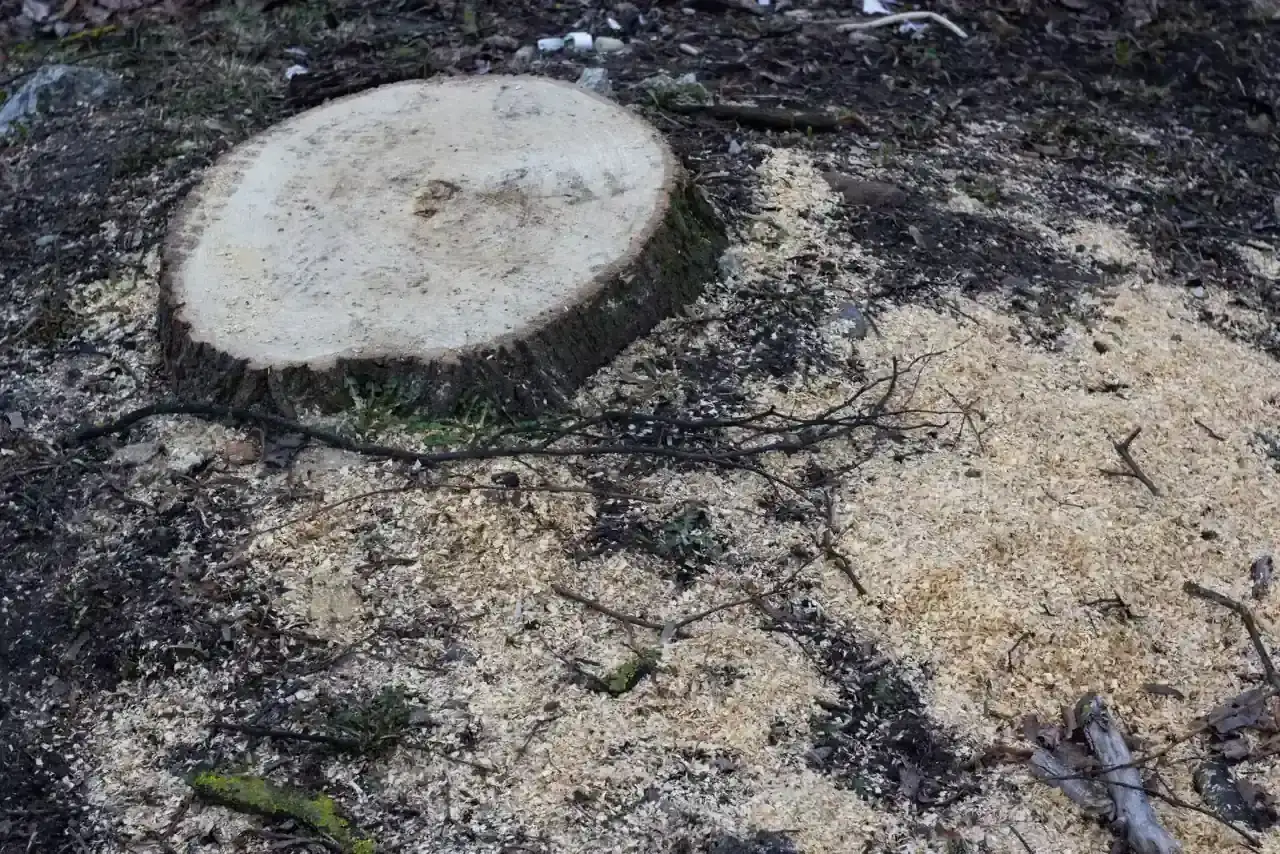
Routine pruning joins the queue. Stump grinding is prioritized only when a replacement tree is requested.
Or hire privately
Apply for the tree work permit and hire a company to do the work under an ISA Certified Arborist.
Keep the planting strip
The adjacent owner waters new street trees for the first few years and keeps the pit mulched.
City tree or private tree?
Likely a city tree
- Growing in the sidewalk strip or a cut-out in the pavement
- In a city park or along park edges
- On a city-owned vacant lot, handled through the city's property process
Likely private
- Behind the sidewalk in a front yard
- On the wooded slope within your lot lines, however wild it looks
- On a neighbor's hillside above or below you
Lot lines on hillsides are rarely where people assume. A survey or the county parcel map settles it.
Pittsburgh tree service questions
How long does Pittsburgh take to prune or remove a street tree?
The Forestry Division's own FAQ cites a backlog of roughly 18 months for non-emergency work because of staffing. Emergencies are handled first.
Can I hire my own company for the street tree outside my house?
Yes, with a tree work permit from the Forestry Division. The permit lasts 30 days, requires 24 hours' notice before work and expects an ISA Certified Arborist to supervise.
Who is responsible when a hillside tree falls on my property?
Generally the owner of the land where it grew, if they knew it was hazardous. In practice your own insurer handles the damage first. On slopes, confirm ownership with the county parcel map.
Should I remove trees from a slope that is starting to slide?
Get engineering advice first. Leaning trees over wires or houses may need to come down, but clearing healthy trees removes root strength the slope depends on.
Pennsylvania and nearby pages
- Pennsylvania tree serviceLanternfly, ash borer and state rules.
- PhiladelphiaStreet tree permits and rowhouse yards at the other end of the state.
- ClevelandTree lawn permits and summer tornado damage.
- Hazardous tree removalTaking down trees that cannot be felled or climbed normally.
- Invasive Tree Removal in PhiladelphiaPhiladelphia's push to remove Callery pear and other invasive trees from yards.
- Tree Planting in PhiladelphiaChoosing and planting street-suitable trees in Philadelphia's rowhouse blocks.
Reach a tree service in Pittsburgh
Call to be connected with an independent tree company that works in the Pittsburgh area, or leave your number and one will call you back.
(844) 955-1716Call availability varies by area and time of day
Limbwright is a referral service. Your call goes to an independent tree service company that sets its own schedule and terms. Ask for proof of insurance and a written scope before work starts. How this works
Call now
Talk to a tree service provider in your area. Have the tree's location and what it is near ready.
(844) 955-1716Call nowCall availability varies by area and time of day