
St. Paul, Minnesota
Tree Removal and Tree Service in St. Paul
St. Paul's legislative code lets the city order removal of diseased or dangerous trees on private property, and the city has used it on ash killed by emerald ash borer. The city's block-by-block removal of boulevard ash finished in 2024, so most remaining ash decisions now fall to owners.
- County
- Ramsey
- Tree rules
- St. Paul Legislative Code Title XVII, Chapter 175; Parks and Recreation Forestry
- Key local rule
- Diseased or dangerous private trees may be ordered removed by the owner
- Electric utility
- Xcel Energy
- Main hazards
- Emerald ash borer, oak wilt, Dutch elm disease, summer windstorms
Chapter 175 and private trees
St. Paul's Forestry pages state that city ordinance, Title XVII Chapter 175, allows diseased or dangerous trees on private property to be ordered removed by the property owner. Forestry inspects private trees for emerald ash borer and other problems when there is cause, and orders removal or abatement of the nuisance.
City forestry staff no longer survey private properties for emerald ash borer because of limited staff, but dying private ash that become dangerous can still be ordered removed. The city does not settle tree disputes between neighbors.
Can St. Paul make me remove my tree?
Yes, if city forestry finds it diseased or dangerous under Chapter 175. The usual cases are dead or dying ash, elms with Dutch elm disease and trees with failing structure over sidewalks or neighboring property. Owners receive an order to remove or abate the tree.
- Dead ash
- The most common order since the borer arrived.
- Dutch elm disease
- Infected elms are removed to slow spread.
- Hazards
- Trees threatening public ways or neighbors.
The boulevard ash program
Emerald ash borer was found in St. Paul in 2009, the first detection in Minnesota. The city began structured removal of boulevard ash block by block, replanting with a mix of species, and prioritized ash near power lines in coordination with Xcel Energy.
That structured removal program concluded in 2024. Individual ash removals continue in parks and on private property. Single ash or small groups on a block were monitored and removed case by case.
Many neighborhoods, including Como, Highland Park and the East Side, look very different than they did 15 years ago as young trees replace mature ash.
The replacements are deliberately varied: Kentucky coffeetree, hackberry, elm cultivars bred to resist Dutch elm disease, lindens, honeylocust and oaks. The goal is that no single pest can take out a block again.
Twin Cities warning signs
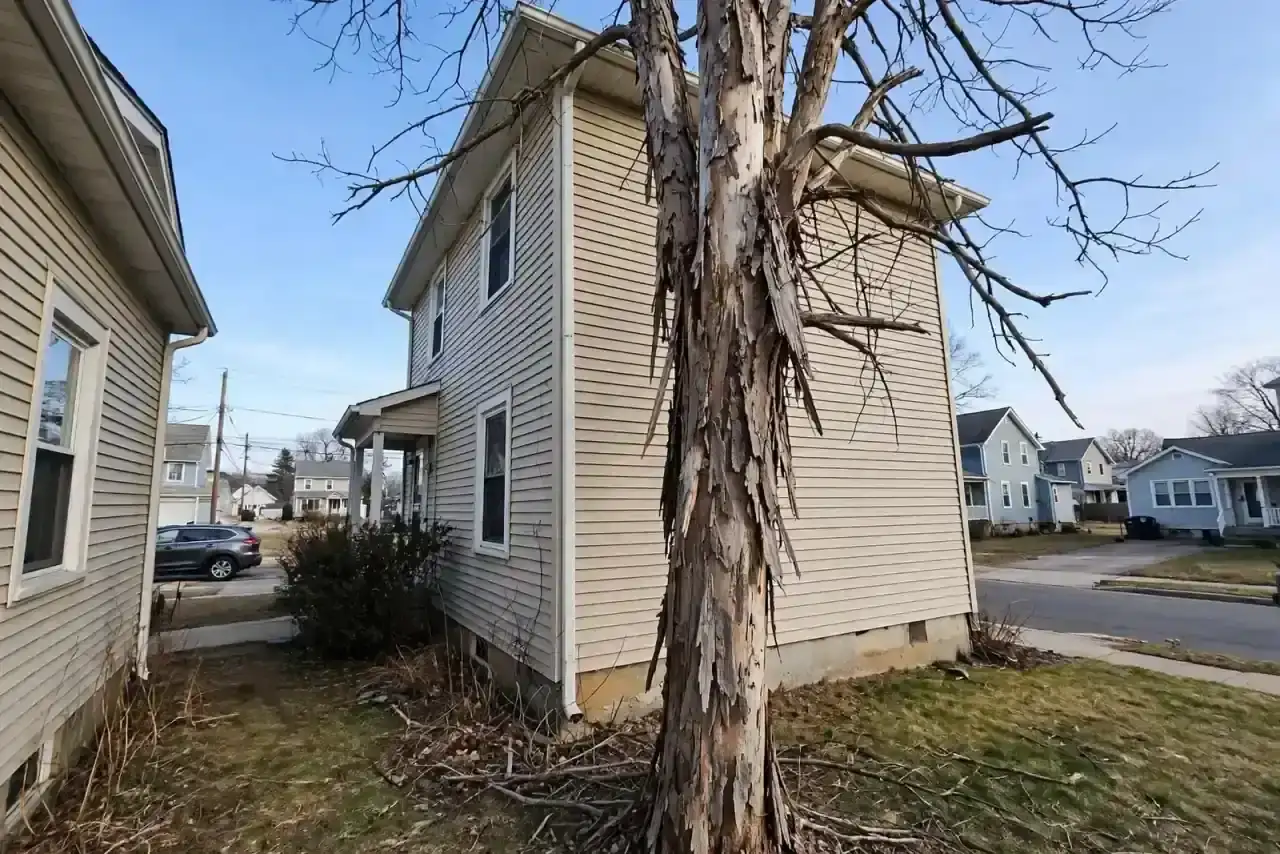
Ash with bark flaking from woodpeckers
Emerald ash borer larvae underneath.
Elm leaves wilting on one branch
Dutch elm disease, which spreads quickly.
Red oak dying in midsummer
Oak wilt. Minnesota advises no oak pruning April through July.
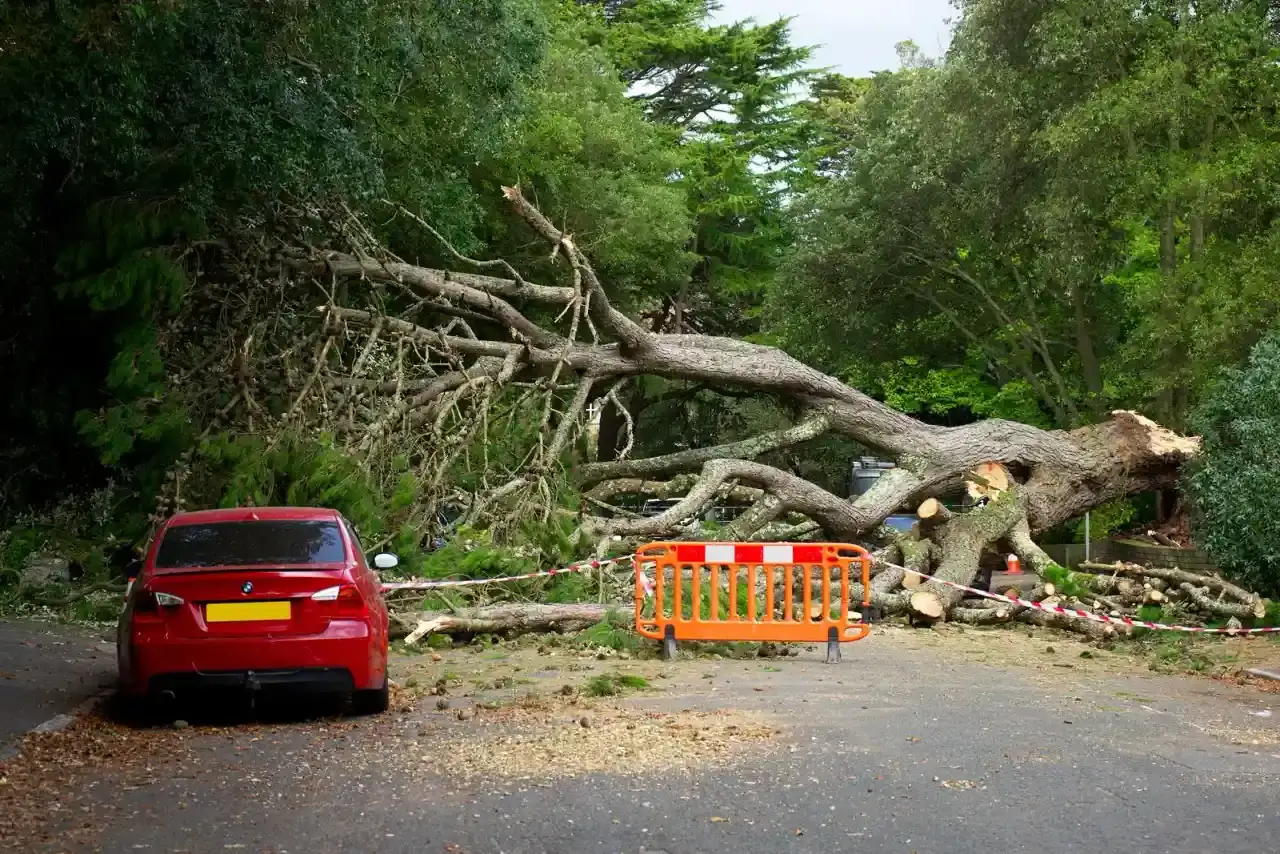
Silver maples over houses
Common storm failures.
If you receive a removal order
Read the deadline
Orders give a time to remove or abate the tree.
Hire a licensed company
St. Paul requires tree contractors to be licensed with the city.
Ask about wood
Ash and elm wood must be handled to avoid spreading pests.
Confirm completion
Keep the invoice and photos, and tell Forestry the work is done so the order can be closed.
Replant
A new tree of a different species replaces the canopy. The city offers guidance on species suited to St. Paul boulevards and yards.
What replaced the ash
| Era | Main boulevard trees | What happened |
|---|---|---|
| Before the 1970s | American elm | Dutch elm disease |
| 1970s to 2000s | Green ash, maples, lindens | Emerald ash borer arrived in 2009 |
| 2010s onward | Mixed species | Diversity to limit future losses |
St. Paul tree questions
Who owns the boulevard tree in front of my house?
The city. Boulevard trees are maintained by St. Paul Forestry.
Does St. Paul require a permit to plant a tree on private property?
No. The city says a permit is not required to plant on private property.
Will the city settle a dispute with my neighbor over a tree?
No. The city does not have authority to decide private tree disputes between owners.
When can I prune my oak in St. Paul?
Late fall and winter are safest. Avoid April through July.
Does Minneapolis use the same rules?
No. Minneapolis has its own forestry division and ordinances, though both cities deal with the same pests.
Reach a tree service in St. Paul
Call to be connected with an independent tree company that works in the St. Paul area, or leave your number and one will call you back.
(844) 955-1716Call availability varies by area and time of day
Limbwright is a referral service. Your call goes to an independent tree service company that sets its own schedule and terms. Ask for proof of insurance and a written scope before work starts. How this works
Call now
Talk to a tree service provider in your area. Have the tree's location and what it is near ready.
(844) 955-1716Call nowCall availability varies by area and time of day